
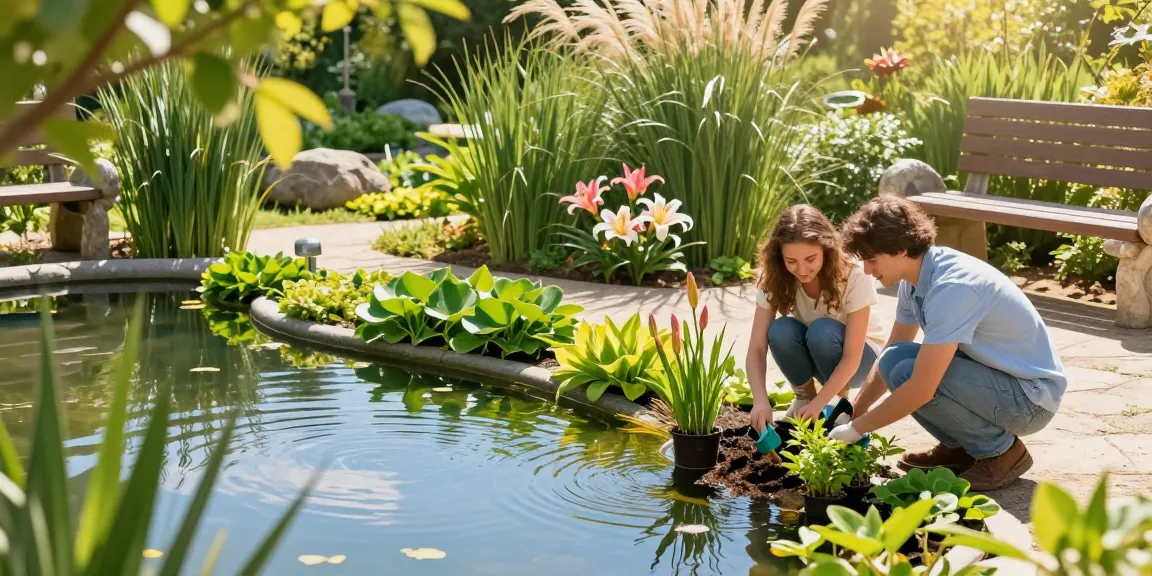
Understanding Marginal Pond Plants
Marginal pond plants are essential components of aquatic ecosystems, providing not only aesthetic value but also functional benefits to pond habitats. As the name suggests, these plants thrive at the edges of water bodies, where land meets water. When exploring options, Buy Marginal Pond Plants offers a variety of selections that can enhance your outdoor experience while boosting the health of your pond environment.
What Are Marginal Pond Plants?
Marginal pond plants include a wide range of species that grow in shallow waters, typically at water’s edge. They often have roots submerged in water, while their foliage extends above the surface. These plants serve crucial roles in aquatic ecosystems, including enhancing water quality, providing food, and creating habitats for wildlife.
Importance of Marginal Plants for Ecosystem Balance
Marginal plants play a vital role in maintaining ecosystem balance. They help to filter pollutants from the water, absorb excess nutrients, and provide shelter for various aquatic organisms. Furthermore, they serve as spawning grounds for fish and as a food source for insects and other wildlife, thus enriching biodiversity in the surrounding area.
Common Types of Marginal Pond Plants
- Reed Canary Grass: Known for its tall, elegant stalks, this grass provides excellent cover for aquatic wildlife.
- Water Mint: This aromatic plant thrives in moist conditions and attracts pollinators with its flowers.
- Japanese Iris: With its striking blooms, the Japanese Iris adds a vibrant splash of color to any pond environment.
- Bluebell: These beautiful flowers not only enhance aesthetics but also attract various butterflies.
Choosing the Right Marginal Pond Plants
When selecting marginal pond plants, it’s essential to consider several factors. Understanding your pond’s specific conditions, such as sunlight exposure, soil type, and water depth, will guide you in making the right choices. Each species has unique requirements and thrives under different conditions.
Factors to Consider When Buying Marginal Pond Plants
- Climate Suitability: Ensure the plants are suitable for your local climate and can withstand seasonal changes.
- Water Needs: Consider how much water the plants need and the depth at which they will be planted.
- Soil Type: Some plants prefer sandy soils, while others thrive in clay or loamy conditions.
Matching Plants to Your Pond’s Environment
It’s critical to match the plants to your pond’s environment. For instance, if your pond has a lot of sunlight, opt for sun-loving plants like *Lysimachia* (Loosestrife) or *Lobelia* (Lobelia cardinalis). Conversely, if shade is predominant, consider plants like *Acorus* (Sweet Flag) that thrive in low-light conditions.
Common Mistakes to Avoid When Selecting Plants
- Neglecting Native Species: Native plants are better adapted to local environments and are often more beneficial to local wildlife.
- Overplanting: Be cautious not to overcrowd your pond, which can lead to competition for resources and diminished growth.
- Ignoring Maintenance Needs: Some plants may require more maintenance than others; choose according to your willingness to invest time.
Best Practices for Planting Marginal Pond Plants
Planting marginal pond plants is a straightforward process, but following certain best practices will ensure their success. Proper planting technique and ongoing care are key to establishing healthy plants that contribute positively to your pond ecosystem.
Step-by-Step Guide to Planting Marginal Plants
- Site Preparation: Clear the planting area of debris and weeds.
- Soil Amendment: Depending on your soil type, you may need to amend it with compost or other organic matter.
- Planting: Dig a hole twice the size of the root ball, place the plant in the hole, and backfill with soil, ensuring the crown is level with the ground.
- Watering: Water thoroughly after planting and maintain consistent moisture during the establishment phase.
Maintenance Tips for Healthy Growth
To keep your marginal pond plants thriving, consistent maintenance is essential. Regularly check for pests and diseases, and ensure that plants are not overcrowded. You may also need to divide plants periodically to promote growth.
Seasonal Care for Marginal Pond Plants
- Spring: Assess and prune any dead or damaged plant material.
- Summer: Monitor water levels and provide additional watering during dry spells.
- Autumn: Prepare for winter by cutting back perennials; consider planting new species.
- Winter: Protect sensitive plants with mulch or cover to prevent freeze damage.
Enhancing Your Pond’s Aesthetic with Marginal Plants
Marginal plants not only support the health of a pond ecosystem but also enhance its overall look. Thoughtful landscaping can lead to a stunning natural space that attracts both people and wildlife.
Designing with Color and Texture in Mind
When choosing marginal plants, consider variations in color and texture to create a visually appealing design. Pair striking flowering plants with lush green foliage for contrast. For instance, *Iris* and *Lobelia* can provide vivid colors against tall sedges.
Creating Habitats for Wildlife
Incorporating marginal plants into your pond design helps create a habitat for various species. Dense plantings can provide cover for frogs and small fish, while flowering plants can attract pollinators. This not only increases biodiversity but also brings additional life to your pond.
Incorporating Hardscaping Elements
To enhance aesthetics further, consider adding hardscaping elements like rocks, pathways, and benches around your pond. These structures can complement marginal plants and create an inviting atmosphere for relaxation and observation.
Future Trends in Aquatic Gardening for 2026
As we move forward, the trends in aquatic gardening are evolving. Understanding these trends will help you stay ahead and make informed choices for your pond.
Innovative Use of Technology in Pond Care
With the rise of smart gardening technology, managing pond environments has never been easier. Remote monitoring devices and automated watering systems can help maintain optimal conditions for marginal plants, ensuring their health and growth.
Emerging Plant Varieties and How to Get Them
In 2026, expect to see a surge in unique hybrid varieties of marginal plants that are designed to be more resilient and attractive. Keeping up with local nurseries and aquatic plant suppliers can help you access these innovative options.
Eco-friendly Practices in Aquatic Planting
As sustainability becomes increasingly important, eco-friendly practices such as using native species and minimizing chemical use will gain traction among gardeners. These practices not only benefit the environment but also support local ecosystems.
What Are the Best Marginal Pond Plants for Your Garden?
The best marginal pond plants for your garden depend on your specific conditions. Species like *Sparganium* (Bur-reed) and *Carex* (Sedge) are excellent for diverse habitats, while *Caltha* (Marsh Marigold) provides bright spring blooms.
How Can I Maintain My Marginal Pond Plants?
Regular monitoring, watering, and timely pruning are essential for maintaining marginal pond plants. It’s also important to be proactive about pest control and disease management to ensure a thriving pond environment.
What Are the Benefits of Marginal Plants for Ponds?
Marginal plants improve water quality, support wildlife, and enhance the aesthetic appeal of a pond. They also help prevent erosion and provide a natural filtration system that keeps your pond healthy and balanced.
Where Can I Buy Quality Marginal Pond Plants?
Quality marginal pond plants can be sourced from local garden centers, specialized aquatic nurseries, or online suppliers. Ensure that you buy from reputable sources to get healthy, well-cared-for plants.
Are There Any Special Requirements for Marginal Pond Plants?
While marginal pond plants are generally low-maintenance, they may have specific needs regarding soil type, sunlight exposure, and water depth. Always research individual species to ensure you meet their requirements for optimal growth.


