Understanding Marginal Pond Plants
Marginal pond plants are a delightful addition to any water feature, providing both aesthetic beauty and ecological benefits. These plants thrive at the water’s edge, where they can be partially submerged, offering a unique blend of color, texture, and movement. When exploring options, Buy Marginal Pond Plants to enhance your pond’s ecosystem. Understanding their role is essential for creating a vibrant and sustainable aquatic environment.
What Are Marginal Pond Plants?
Marginal pond plants, as the name suggests, grow around the margins of ponds, lakes, and other freshwater bodies. They typically extend above the water’s surface while their roots are submerged. These plants can be divided into different categories, such as emergent plants, which stand above the water, and those that prefer wetter soils. Common examples include rushes, sedges, and various flowering plants.
Importance of Marginal Plants in Aquatic Ecosystems
Marginal plants play a critical role in the health of aquatic ecosystems. They help stabilize the shoreline, reducing erosion and preventing sedimentation that can harm water quality. Additionally, these plants absorb excess nutrients and pollutants, effectively filtering the water and improving overall quality. Furthermore, they provide habitat for various wildlife species, including amphibians, insects, and birds, which all contribute to the ecological balance of the pond.
Common Types of Marginal Pond Plants to Buy
There is a diverse range of marginal pond plants that one can consider for purchase, each offering unique benefits:
- Water Mint (Mentha aquatica): A fragrant plant that attracts pollinators and is excellent for culinary uses.
- Cattails (Typha): Tall, striking plants that provide habitat for wildlife and help purify water.
- Marsh Marigold (Caltha palustris): Bright yellow flowers that bloom in early spring and enhance visual appeal.
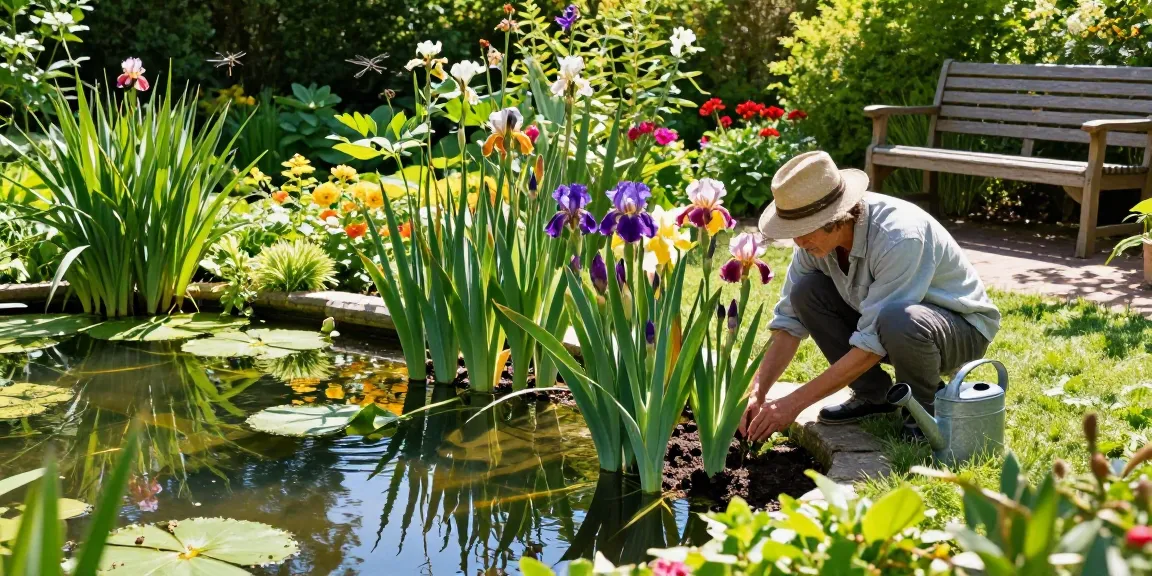
- Yellow Flag Iris (Iris pseudacorus): Beautiful yellow flowers and a strong presence in wet environments, ideal for attracting bees.
Benefits of Buying Marginal Pond Plants
Investing in marginal pond plants offers numerous benefits that enhance both the functionality and aesthetics of your water feature.
Enhancing Aesthetic Appeal
Marginal pond plants contribute significantly to the overall beauty of your pond. Their varied colors, heights, and flowering patterns create visual interest and provide a natural frame for the water body. By incorporating different species, gardeners can create stunning landscapes that change with the seasons, ensuring year-round enjoyment.
Improving Water Quality and Biodiversity
One of the most significant advantages of marginal pond plants is their role in improving water quality. They naturally absorb harmful nutrients and aid in filtering pollutants, reducing algae growth, and creating a healthier environment for aquatic life. Moreover, the biodiversity provided by these plants attracts a variety of beneficial insects and wildlife, fostering a vibrant ecological community.
Attracting Wildlife to Your Pond
Marginal pond plants also serve as crucial habitats for various forms of wildlife. Birds often nest among the reeds, while amphibians find shelter and breeding grounds in the dense foliage. The presence of these plants can help create a balanced ecosystem, supporting various species and enhancing the overall health of your pond.
Where to Buy Marginal Pond Plants in 2026
Choosing the right place to buy marginal pond plants can significantly influence your gardening success. In 2026, gardeners have several options, each with its pros and cons.
Local Garden Centers vs. Online Retailers
Local garden centers can provide a personal touch, allowing you to see plants firsthand and gain insights from knowledgeable staff. Conversely, online retailers often offer a broader selection, sometimes at competitive prices. Finding reputable sources is essential, regardless of the route you choose.
Evaluating Quality and Sustainability of Plants
When purchasing marginal pond plants, it’s important to evaluate their quality and sustainability. Look for plants that are healthy, disease-free, and suited to your local climate. Sustainable practices, such as those that avoid chemical pesticides, should also be a priority to ensure the health of your pond ecosystem.
Comparing Prices and Availability
Prices for marginal pond plants can vary widely based on location and type. It’s wise to compare different retailers to find the best deals while ensuring the plants meet your quality standards. Additionally, be mindful of seasonal availability, as some species may only be offered during specific times of the year.
Planting and Care Techniques for Marginal Pond Plants
Successfully growing marginal pond plants requires understanding their specific needs and providing proper care.
Optimal Planting Depth and Spacing
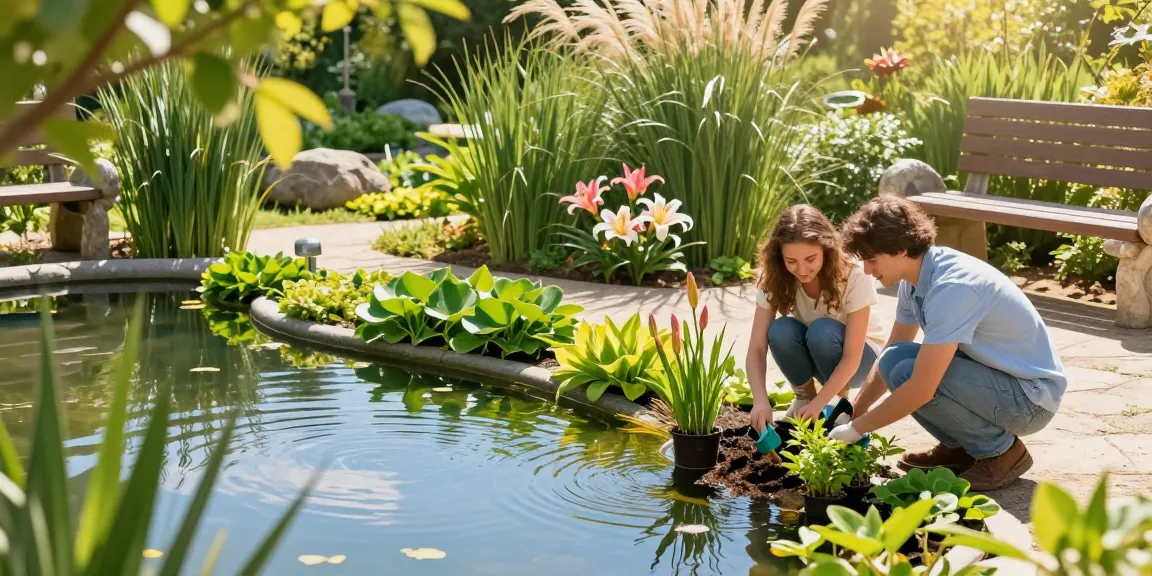
When planting marginal pond plants, the depth and spacing are crucial factors. Typically, these plants thrive in shallow waters, usually 0 to 12 inches deep. Maintaining adequate spacing allows for healthy growth and prevents overcrowding, which can lead to competition for resources.
Watering and Fertilizing Best Practices
While marginal pond plants require consistent moisture, overwatering can lead to root rot. In general, it’s best to monitor water levels and ensure that soil remains damp but not saturated. Fertilizing should be done sparingly; organic options are preferable, as they improve soil quality without harming aquatic life.
Common Pests and Diseases to Watch For
Just like other garden plants, marginal pond plants can be susceptible to pests and diseases. Common issues include aphids, snails, and fungal infections. Regular monitoring and early intervention can help keep these threats at bay, protecting the health of your plants and pond.
Future Trends in Pond Gardening
The world of pond gardening is always evolving, with new trends emerging that reflect changing environmental priorities and advancements in gardening techniques.
Innovative Plant Varieties Coming Soon
In the coming years, expect to see a rise in innovative plant varieties developed for improved resilience and pest resistance. Breeders are focusing on creating plants that can withstand climate fluctuations and provide additional ecological benefits.
Eco-Friendly Practices for Sustainable Gardening
As awareness of environmental issues grows, eco-friendly gardening practices are becoming increasingly popular. Techniques such as rainwater harvesting, organic pest control, and the use of native plants are being embraced by pond gardeners aiming to minimize their ecological footprint.
Integrating Technology in Pond Maintenance
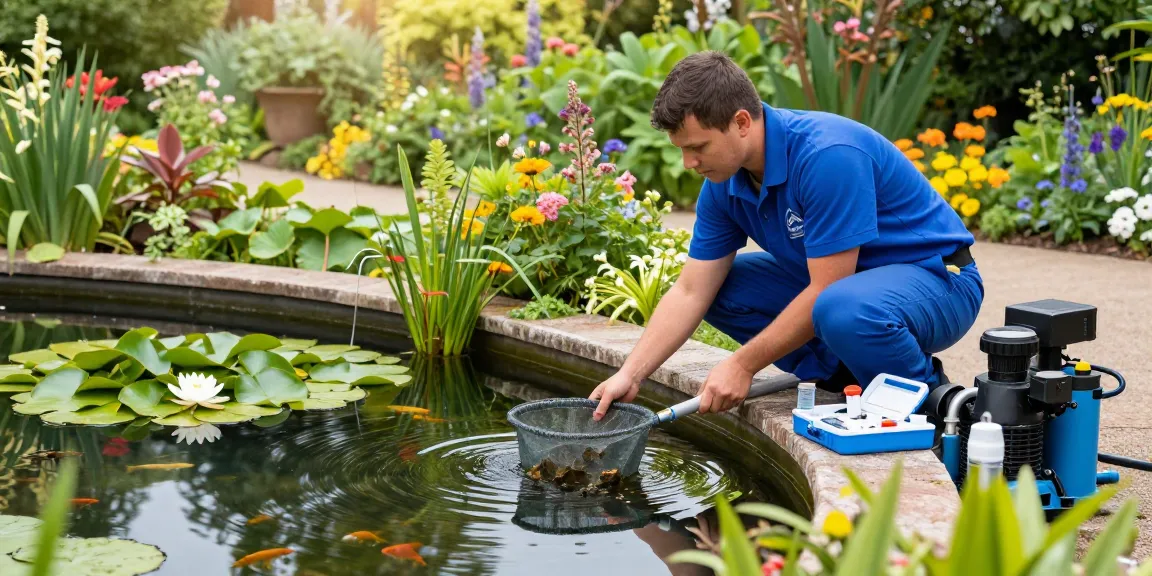
Technology is also playing a role in pond maintenance, with smart sensors and automated systems helping gardeners monitor water quality and plant health. These innovations can simplify maintenance tasks, allowing for a more hands-off approach while ensuring that the pond remains a thriving ecosystem.
What are the best types of marginal pond plants?
Some of the best types of marginal pond plants include Water Lily, Cattail, and Pickerel Rush. Each of these species offers unique advantages, from stunning flowers to wildlife support, making them ideal for enhancing your pond’s ecosystem.
How do marginal pond plants improve water quality?
Marginal pond plants improve water quality by absorbing excess nutrients like nitrogen and phosphorus, which can lead to algae blooms. They help filter pollutants and sediment, contributing to clearer and healthier water for aquatic life.
What gardening supplies do I need to buy with marginal plants?
To successfully integrate marginal pond plants, you may need basic gardening supplies such as planting containers, aquatic soil, water testing kits, and organic fertilizers. Additionally, tools like trowels and gloves will make planting and maintenance easier.
How do I care for my marginal pond plants?
Caring for marginal pond plants includes monitoring water levels, ensuring proper spacing, and being vigilant for pests or diseases. Routine maintenance, such as pruning and removing dead foliage, will also promote healthy growth and aesthetic appeal.
Are there specific seasonal considerations for planting?
Yes, seasonal considerations play a significant role in the success of pond plants. Spring is typically the best time to introduce new plants, as this allows them to establish roots before the heat of summer. Fall can also be a good time for planting in mild climates.