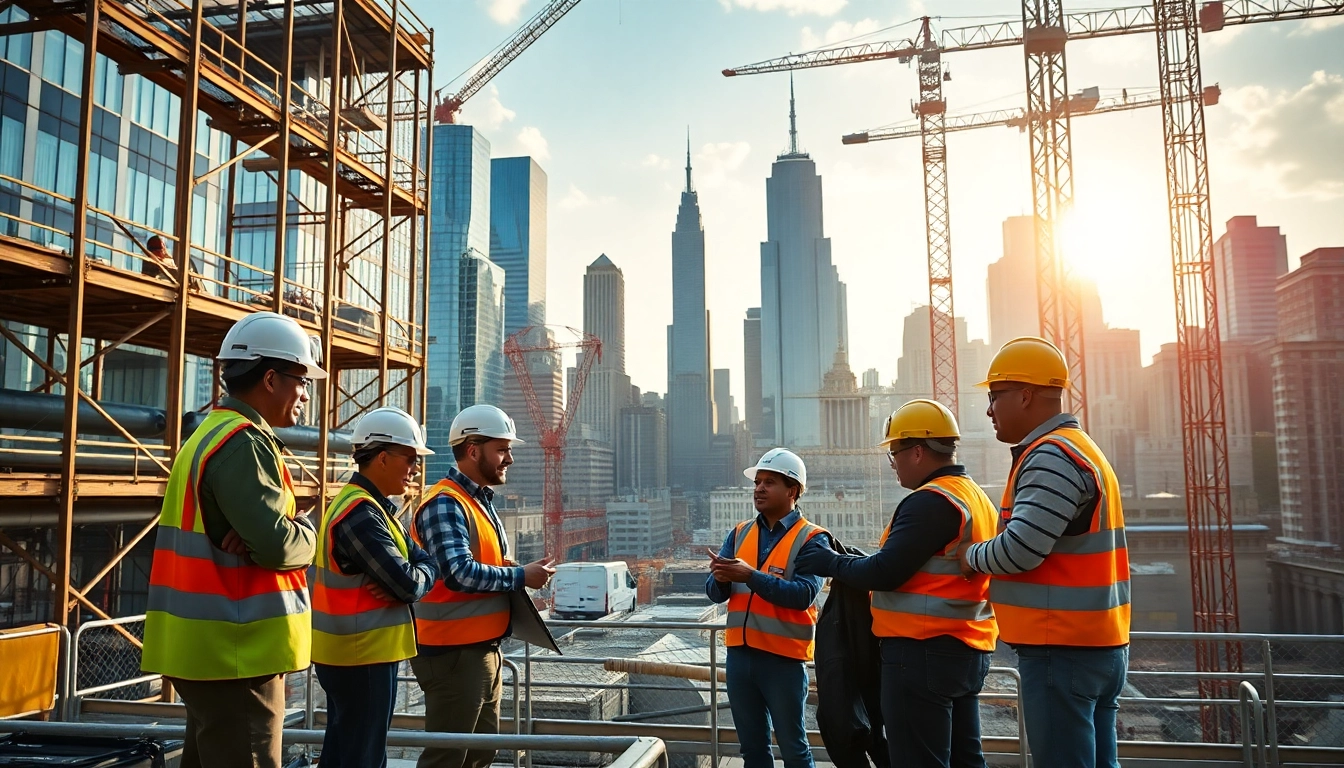
Understanding the Role of a New York City Commercial General Contractor
Definition and Responsibilities
A New York City Commercial General Contractor is a pivotal player in the construction landscape, responsible for overseeing all aspects of construction projects. Their primary role is to serve as the main point of contact, coordinating between various stakeholders including architects, engineers, subcontractors, and clients. A general contractor is not merely a builder; they manage the entire construction process from start to finish, ensuring that the project is completed on time, within budget, and according to specifications.
The responsibilities of a general contractor include but are not limited to:
- Planning and scheduling construction timelines
- Driving the procurement of materials and equipment
- Hiring and supervising subcontractors
- Ensuring compliance with local and state building codes
- Managing budgets and expenditures
- Conducting regular inspections to maintain quality standards
- Addressing any issues that arise during the construction process
Importance in Large-Scale Projects
In the context of large-scale projects, the role of a New York City Commercial General Contractor becomes even more critical. These projects often involve complex logistical challenges, extensive regulatory requirements, and substantial financial investments. The general contractor’s ability to manage these factors can greatly influence the success of the project. They are essential for:
- Coordinating Multiple Teams: Large projects require collaboration across numerous teams. A general contractor ensures that all parties are aligned and working towards the same goals.
- Risk Management: By anticipating potential setbacks and developing contingency plans, general contractors minimize risks, ensuring smoother project execution.
- Maintaining Clear Communication: They act as the central hub for communication, preventing miscommunication and misunderstandings that could lead to costly delays.
- Budget Control: General contractors are equipped to manage sizable budgets, working diligently to keep costs down while ensuring quality.
Key Skills Required
The role of a commercial general contractor demands a unique blend of skills to navigate the complexities of construction projects. Key skills include:
- Project Management: Effective time management and organizational skills are vital for coordinating various elements of projects efficiently.
- Communication Skills: Strong verbal and written communication skills are essential for interacting with stakeholders and maintaining clear lines of communication.
- Problem-Solving Abilities: The ability to rapidly assess and resolve challenges as they arise helps keep projects on track.
- Knowledge of Building Codes: An in-depth understanding of local and national building codes ensures compliance and helps avoid legal complications.
- Financial Acumen: Strong skills in budgeting and financial planning are essential for managing project costs effectively.
Benefits of Hiring a New York City Commercial General Contractor
Project Management Expertise
The first and foremost benefit of hiring a New York City Commercial General Contractor is their unparalleled expertise in project management. Their experience allows them to streamline processes and ensure that every phase of construction is executed flawlessly. They bring specialized knowledge to the table, mitigating risks through careful planning and execution.
Access to Reliable Networks
General contractors often have extensive networks of reliable subcontractors, suppliers, and service providers. This network not only helps in obtaining quality materials at competitive prices but also ensures that the work is executed by trusted professionals. This access can lead to savings in time, money, and effort, thereby enhancing the overall efficiency of the project.
Quality Assurance and Compliance
Quality assurance is a significant aspect of the construction process. A New York City Commercial General Contractor is familiar with the standards required to meet regulations and building codes. They conduct regular quality checks and ensure that all work complies with safety regulations. This focus on compliance helps in avoiding potential legal issues and adds to the reliability of the completed project.
How to Select a New York City Commercial General Contractor
Assessing Credentials and Experience
When it comes to selecting a contractor, due diligence is essential. Start by assessing the credentials and experience of potential candidates. Check if they hold the necessary licenses and certifications required to operate in New York City. Evaluating their years of experience in the industry and any specialization related to your specific project type can also provide insight into their capabilities.
Evaluating Past Projects
One of the most telling indicators of a contractor's ability is their portfolio of past projects. Analyze completed projects that are similar in scope and style to yours. Look for case studies that highlight their problem-solving abilities and overall quality of work. Moreover, requesting references can provide extra verification of their performance and client satisfaction.
Understanding Cost Structures
Cost transparency is fundamental in the contractor selection process. Understanding the cost structure of a potential general contractor helps you make informed decisions related to budget allocations. Review estimates carefully, and don’t hesitate to ask for clarifications regarding specific line items. Ensure there are no hidden fees or unexpected costs that could arise during the project.
Common Challenges Faced by New York City Commercial General Contractors
Regulatory and Compliance Issues
New York City’s construction regulations can be complex. Navigating the intricacies of these regulations is a common challenge for commercial general contractors. Frequent changes to building codes and zoning laws can pose significant obstacles, making it imperative for contractors to stay well-informed and adaptable. Regular training and consultations with legal experts can help mitigate these challenges.
Managing Urban Competition
The bustling market of New York City presents a fierce competitive landscape. Due to the large number of contractors vying for projects, differentiating oneself can be challenging. Successful contractors leverage their unique offerings, exemplary customer service, and proven track records to stand out in the crowd.
Handling Supply Chain Disruptions
Global events can disrupt supply chains significantly, affecting the availability of materials and labor. General contractors should proactively establish strong relationships with suppliers and have contingency plans in place. Exploring diverse sourcing options and maintaining open communication with suppliers can alleviate disruptions more effectively.
Future Trends for New York City Commercial General Contractors
Sustainability in Construction
The demand for sustainable construction practices is on the rise, pressing contractors to adopt greener methodologies. Implementing sustainable materials, minimizing waste, and optimizing energy efficiencies are now critical trends. Adopting these practices not only fulfills regulatory obligations but also enhances a contractor's appeal to environmentally conscious clients.
Technological Advancements
As technology continues to evolve, so does the landscape of the construction industry. The integration of technology in project management, such as Building Information Modeling (BIM) and project management software, can significantly enhance collaboration and efficiency. Embracing these advancements can lead to better project outcomes and increased competitiveness.
Adapting to Market Changes
Economic fluctuations can drastically affect the construction market. New York City Commercial General Contractors must remain adaptable to respond quickly to market shifts. This may include scaling operations up or down, adjusting pricing strategies, or exploring new service offerings to meet evolving client needs.