Understanding the Glass Manufacturing Landscape
The glass manufacturing industry plays a pivotal role in various sectors, from architecture to automotive applications. As a complex and competitive field, it thrives on innovation and efficiency. Understanding the landscape of glass machine manufacturers is crucial for businesses aiming to enhance their production capabilities. This article delves into the different types of glass manufacturing machines, industry key players, and the challenges faced by manufacturers.
Overview of Glass Machine Manufacturers
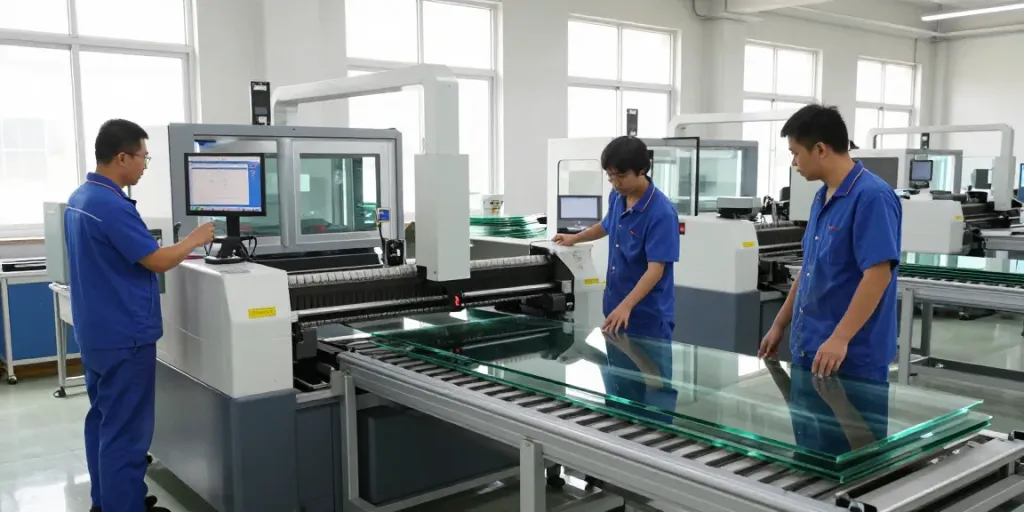
Glass machine manufacturers are integral to the fabrication of glass products, providing a range of machinery designed for specific processes. These manufacturers offer equipment for cutting, shaping, washing, and polishing glass, catering to diverse applications—from architectural glass to precision products used in electronic devices. Companies in this sector must continually innovate to meet the increasing demands for efficiency, quality, and sustainability.
Types of Glass Manufacturing Machines
The variety of machines available in the glass manufacturing industry reflects the specialized processes required. Key types include:
- Insulating Glass Production Lines: Essential for creating energy-efficient windows.
- Glass Washing Machines: Ensures cleanliness before further processing.
- Glass Cutting Machines: Facilitates precise sizing for various applications.
- Edge Polishing Machines: Provides a refined finish and safety for glass edges.
- Glass Laminating Machines: Enhances strength and safety by sandwiching layers of glass.
- Glass Drilling Machines: Allows for precise hole placement in glass products.
- Glass Lifting Machines: Aids in the safe handling of large glass sheets.
- Glass Sandblasting Machines: Used for decorative effects and surface treatments.
- Laser Machines: Employ advanced technology for cutting and engraving.
- PVC Window and Door Machines: For manufacturing energy-efficient window systems.
Key Players in the Industry
Several companies dominate the global market of glass machine manufacturing. Leading firms are known for their innovation, quality, and after-sales support. Companies like Eworld Machinery, CMS Glass Machinery, and Matodi have established a significant presence, providing a wide range of products to meet diverse industry needs. Each player emphasizes technology integration and customer service to remain competitive.
Evaluating Performance and Efficiency
To thrive in the glass manufacturing landscape, companies must rigorously evaluate the performance and efficiency of their operations. This involves understanding how different machines perform under varying conditions and identifying the factors that contribute to optimal production.
Comparative Analysis of Glass Machine Manufacturers
Not all glass machine manufacturers are created equal. Conducting a comparative analysis involves looking at various manufacturers’ product lines, technological advancements, and customer reviews. Important metrics include speed, accuracy, and durability of machines, which ultimately influence production capacity and quality. Companies should assess their operational needs against the capabilities of different manufacturers to make informed decisions.
Performance Metrics: Speed and Quality
Performance in the glass manufacturing sector is often assessed by two key metrics: speed and quality. High-speed machines can significantly reduce production time, allowing for increased output. However, speed must not compromise quality; thus, manufacturers emphasize the importance of achieving a balance. Advanced technologies, such as CNC (Computer Numerical Control) machinery, can enhance both speed and precision, minimizing waste and maximizing efficiency.
Energy Efficiency and Sustainability Practices
With growing concerns over climate change, energy efficiency has become a priority for glass machine manufacturers. Many firms are adopting sustainable practices, such as using energy-efficient motors and recovering waste heat for reuse. Additionally, manufacturers are exploring renewable energy sources to power their operations, which not only reduces costs but also meets the increasing demands from consumers for eco-friendly products.
Technological Innovations in Glass Manufacturing
The glass manufacturing industry is at the forefront of technological innovation, continually evolving to incorporate new solutions that enhance productivity and product quality.
Emerging Trends and Technologies
Emerging trends in the glass manufacturing sector include the integration of artificial intelligence (AI) and machine learning to optimize production processes. These technologies enable predictive maintenance, reducing downtime and improving the reliability of machinery. Other innovations encompass improvements in glass processing technology, such as enhanced laser cutting and automated assembly systems.
Automation and Smart Manufacturing
Automation is revolutionizing glass production, reducing labor costs and increasing efficiency. Smart manufacturing technologies, including IoT (Internet of Things) devices, allow manufacturers to connect machines, gather data, and analyze performance in real time. This connectivity provides valuable insights into the production process, enabling timely adjustments and enhancing overall efficiency.
Impact of Industry 4.0 on Glass Production
Industry 4.0 represents a fundamental shift in manufacturing practices, emphasizing the importance of smart factories. The glass manufacturing sector is adopting Industry 4.0 principles by implementing interconnected systems that streamline production and enhance data visibility. This shift leads to better resource management, reduced operational costs, and improved product quality through integrated quality control systems.
Challenges Faced by Glass Machine Manufacturers
Despite the advancements and opportunities in the glass manufacturing industry, manufacturers encounter several challenges that can impact their operations.
Common Obstacles in Production
Common obstacles include disruptions in the supply chain, fluctuating material costs, and the need for skilled labor. Manufacturers must develop strategies to mitigate these challenges to maintain consistent production levels. Implementing effective inventory management practices and fostering relationships with suppliers can help manufacturers navigate these issues.
Addressing Safety and Compliance Issues
Safety is paramount in glass manufacturing, where heavy machinery and hazardous materials are commonplace. Manufacturers must comply with stringent safety regulations and develop robust training programs for employees. Regular audits and updates to safety protocols are essential to ensure a safe working environment.
Navigating Supply Chain Disruptions
The glass manufacturing industry is not immune to global supply chain disruptions, which can lead to delays and increased costs. Manufacturers must diversify their supply chains and invest in local suppliers where possible to minimize risks. Building strong relationships with suppliers can also provide valuable insights and foster collaboration during crises.
Future Outlook for Glass Machine Manufacturers
The future of glass machine manufacturers looks promising, driven by innovation, sustainability, and increased demand for high-quality glass products.
Market Projections for 2026 and Beyond
Market analysts predict significant growth in the glass manufacturing sector over the next few years, particularly in the architectural and automotive segments. The push for energy-efficient solutions, coupled with advancements in smart manufacturing technology, is expected to drive demand for innovative glass products.
Strategic Approaches for Competitive Edge
To maintain a competitive edge, glass machine manufacturers should focus on continuous improvement, investing in research and development to stay ahead of technological trends. Collaborating with customers to understand their evolving needs is also crucial for developing solutions that meet market demands.
Case Studies of Successful Manufacturers
Several manufacturers have successfully navigated the challenges of the glass industry by implementing strategic initiatives. For example, Eworld Machinery has positioned itself as a leader in the industry by offering a comprehensive range of machines tailored for diverse applications. Their commitment to quality and customer satisfaction sets a benchmark in the market.
What are the top glass machine manufacturers in 2026?
As the industry evolves, leading manufacturers will continue to innovate and adapt to changing needs. Companies that prioritize quality, efficiency, and customer service will likely emerge as top players.
How do glass machine manufacturers compare in terms of quality?
Quality assessments can differ widely among manufacturers. Evaluating machinery based on performance metrics, user feedback, and durability will help businesses make informed choices in selecting their vendors.
What innovations can we expect in glass manufacturing technology?
Future innovations may include advanced automation technologies, enhanced energy efficiency solutions, and smarter materials that improve performance and reduce environmental impact.
What are the costs associated with starting a glass manufacturing facility?
Costs vary depending on the scale and scope of the facility, including equipment, labor, and raw materials. A detailed financial assessment is essential for prospective manufacturers.
How important is energy efficiency in glass production?
Energy efficiency is critical, not only for environmental sustainability but also for reducing operational costs. Manufacturers that adopt energy-efficient practices often see significant savings in their production processes.