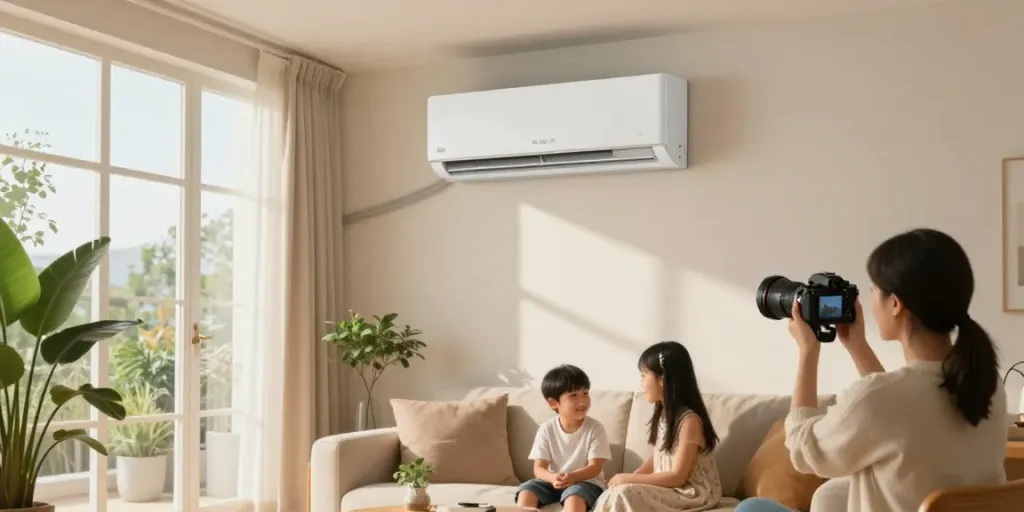
Understanding the Mini Split of Air Conditioner
As homeowners seek efficient cooling solutions, the mini split of air conditioner has emerged as a popular choice. Compact, versatile, and energy-efficient, mini splits provide a customizable climate control solution tailored to individual room needs. This guide will explore their functionality, advantages, key components, installation methods, performance metrics, maintenance tips, and future trends.
What is a Mini Split of Air Conditioner?
A mini split air conditioner, commonly known as a ductless system, is a versatile HVAC solution composed of an outdoor compressor unit and one or more indoor air-handling units. Unlike traditional HVAC systems that rely on ductwork, mini splits circulate air directly to rooms, allowing for superior energy efficiency and individualized temperature control. Their design makes them ideal for homes lacking existing ductwork or for those seeking to enhance the efficiency of their current systems.
The Benefits of Mini Split Systems
Mini split systems offer numerous advantages over conventional air conditioning and heating systems:
- Energy Efficiency: With an average SEER (Seasonal Energy Efficiency Ratio) rating significantly higher than traditional units, mini splits can drastically lower energy bills.
- Zone Control: Each indoor unit can be adjusted independently, allowing different areas of the home to maintain distinct temperatures based on preference.
- Easy Installation: The absence of ductwork facilitates quicker and less disruptive installation processes compared to central HVAC systems.
- Lower Environmental Impact: Many mini splits utilize advanced refrigerants that are more environmentally friendly, contributing to reduced overall carbon emissions.
Key Components of Mini Split Systems
Understanding the components of mini split systems is essential for selecting the right unit and ensuring optimal performance:
- Outdoor Unit: Houses the compressor and condenser, responsible for heat exchange.
- Indoor Unit: Disperses cool or warm air, often available in wall-mounted, ceiling cassette, or floor-mounted configurations.
- Refrigerant Lines: These lines connect the indoor and outdoor units, carrying refrigerant that absorbs and releases heat.
- Remote Control: Most modern mini splits come with a remote control or a smartphone app for easy operation and monitoring.
Installation Guide for Mini Split Systems
Installing a mini split air conditioner can be straightforward, but proper planning and execution are crucial for optimal performance and longevity. Here’s a comprehensive guide to assist in the installation process.
Choosing the Right Location for Installation
Location is key when installing mini split systems. Indoor units should be placed high on walls for optimal air circulation, while outdoor units should be positioned away from direct sunlight, debris, and strong winds to ensure efficiency. Additionally, consider the proximity of indoor units to outdoor components to minimize the length of refrigerant lines.
Do It Yourself vs. Professional Installation
While a competent DIY enthusiast may install a mini split system, professional installation is often recommended due to the complexities involved, particularly with refrigerant handling and system calibration. Professional installers ensure compliance with local codes, optimal system performance, and warranties that might be voided with improper installation.
Common Installation Mistakes to Avoid
When installing a mini split system, specific mistakes can hinder performance:
- Incorrect Sizing: Choosing a unit that is too large or too small for the space can lead to inefficient operation.
- Poor Drainage: Ensuring proper drainage from the indoor unit is critical to prevent water damage and mold growth.
- Neglecting Insulation: Insufficient insulation around refrigerant lines can lead to energy loss and inefficiencies.
Performance and Efficiency of Mini Split Air Conditioners
The performance of a mini split air conditioner is often measured through energy efficiency ratings and real-world functionality. Understanding these metrics is essential for making informed decisions about cooling solutions.
Understanding Energy Efficiency Ratings
Energy efficiency ratings such as SEER and HSPF (Heating Seasonal Performance Factor) indicate how well the system performs. A higher SEER rating signifies greater efficiency, which can lead to substantial savings on energy bills over time. For instance, a mini split with a SEER rating of 24 can be significantly more efficient than one with a rating of 14.
How to Enhance Performance
To fully benefit from a mini split system’s capabilities, consider the following performance-enhancement strategies:
- Regular Maintenance: Routine cleaning and periodic professional servicing help maintain efficiency.
- Smart Thermostat Integration: Using a smart thermostat can optimize energy use and enhance comfort levels.
- Sealing Leaks: Ensure all areas around the unit are sealed and insulated properly to prevent energy loss.
Common Issues Affecting Efficiency
Despite their advantages, mini splits can encounter performance issues, including:
- Dirty Filters: Clogged filters restrict airflow, forcing the system to work harder and reducing efficiency.
- Refrigerant Leaks: Low refrigerant levels due to leaks can lead to inadequate cooling and increased energy costs.
- Improper Installation: A poorly installed system may not operate effectively, highlighting the importance of professional installation.
Cost and Maintenance of Mini Split Air Conditioners
The costs associated with mini split systems can vary widely based on installation choices and maintenance requirements. Understanding these aspects ensures that homeowners budget effectively while maintaining their units.
Typical Costs for Mini Split Installation
The installation cost of mini split systems includes the unit price and labor costs. On average, homeowners might expect to pay between $3,000 and $5,000 for a complete installation, including multiple indoor units. Factors influencing costs include the complexity of the installation, the number of indoor units, and local labor rates.
Frequency and Types of Maintenance Needed
Maintaining a mini split system is crucial for ensuring its longevity and efficiency. Regular maintenance tasks include:
- Cleaning or Replacing Filters: Every 1-3 months, depending on usage.
- Checking Refrigerant Levels: Annual checks to ensure optimal refrigerant levels.
- Professional Inspections: At least once a year to identify any potential issues before they become severe.
How to Troubleshoot Common Problems
Homeowners can troubleshoot several issues common to mini split systems:
- No Cooling: Check for dirty filters, ensure the thermostat is set correctly, and verify outdoor unit operation.
- Unusual Noises: Noises may indicate loose components or debris in the units—promptly address these issues to avoid further damage.
- Increased Energy Bills: A sudden spike might indicate a maintenance need or a problem with the unit’s efficiency.
Future Trends and Innovations in Mini Split Technology
As technology advances, mini split systems are evolving to enhance efficiency and user experience, leading to exciting developments in the HVAC industry for 2026 and beyond.
Advancements in Energy Efficiency for 2026
Future mini split systems are expected to adopt even more energy-efficient technologies, including improved variable speed compressors and more effective refrigerants that further reduce greenhouse gas emissions. These advancements will make systems even more environmentally friendly and cost-effective.
Smart Home Integration with Mini Splits
With the rise of smart home technologies, integrating mini splits with home automation systems is becoming commonplace. Features like remote monitoring, predictive maintenance alerts, and temperature optimization based on homeowner behavior will enhance convenience and efficiency in climate control.
Environmental Considerations and Eco-Friendly Options
As environmental concerns grow, manufacturers are focusing on producing mini split systems that utilize eco-friendly refrigerants and sustainable materials. Innovations in design that reduce energy consumption will align with increasing regulatory requirements and consumer preferences for greener solutions.