Understanding the Fundamentals of Education
Definition and Importance of Education
Education can be defined as the systematic process of acquiring knowledge, skills, attitudes, and values through various means such as teaching, training, and research. It's not merely about formal schooling but encompasses a broad spectrum of learning experiences. The importance of Education lies in its ability to empower individuals, allowing them to make informed choices, contribute to society, and pursue personal and professional goals. A strong educational foundation equips individuals with critical thinking skills, creativity, and the adaptability needed in a rapidly changing world. Those interested in delving deeper into this topic can refer to various resources dedicated to promoting Education and its significance across different contexts.
Historical Development of Education
The evolution of Education is a rich tapestry woven through historical milestones that reflect changing societal values and needs. From early informal traditions where knowledge was passed down orally, through the establishment of writing systems and formal institutions in ancient civilizations like Greece and Rome, Education has continuously adapted. The Middle Ages saw the rise of universities, promoting a curriculum focused on liberal arts, whereas the Enlightenment introduced a critical perspective on human reason and the empirical sciences. The 19th and 20th centuries marked significant reforms and the introduction of compulsory education in many regions, creating more equitable access to learning opportunities. This historical context lays the foundation for understanding contemporary educational practices and policies.
Types of Education: Formal, Informal, and Non-Formal
Education can broadly be categorized into three types: formal, informal, and non-formal. Formal education occurs in structured environments such as schools and universities, following a predefined curriculum. This type is typically the most recognized and regulated form of Education, resulting in certifications and degrees. Informal education, on the other hand, occurs outside traditional settings and is often spontaneous. It includes everyday experiences, social interactions, and activities that promote learning without a structured framework. Non-formal education exists in various formats, often aimed at specific groups and needs, providing flexibility in learning objectives. Understanding these distinctions is vital for educators and policymakers in designing effective educational strategies.
Current Trends Shaping Education
Technology Integration in Education
The integration of technology in Education is one of the most significant trends influencing how knowledge is imparted and acquired today. Digital tools like online learning platforms, educational apps, and virtual reality are revolutionizing traditional classrooms. Technology empowers both educators and learners by providing access to vast resources and facilitating personalized learning experiences. For instance, the use of Learning Management Systems (LMS) allows educators to track student progress and tailor instruction accordingly. Furthermore, digital literacy has become a crucial skill, as students need to navigate online information critically. As technology continues to evolve, so too will the educational approaches designed to harness its potential.
Inclusive Education Practices
Inclusive education practices aim to ensure that all students, regardless of their backgrounds or abilities, have equal access to quality learning opportunities. This approach acknowledges the diversity of learners and promotes collaboration among educators, families, and communities to create supportive environments. Implementing inclusive strategies often involves differentiated instruction, which tailors teaching methods to meet the varying needs of students. Furthermore, fostering an inclusive culture requires ongoing professional development for teachers, ensuring they are equipped with the tools and knowledge to support all learners effectively. Inclusive education not only benefits students with disabilities but enriches the educational experience for all students by promoting understanding and acceptance.
Global Perspectives on Education
Education is a global concern, and various countries adopt different approaches reflecting their unique cultural, economic, and political contexts. For instance, Scandinavian countries like Finland are known for their innovative and student-centered education systems, emphasizing creativity and critical thinking skills over standardized testing. In contrast, many developing nations face challenges such as limited resources and access issues, necessitating tailored solutions that consider local circumstances. Collaborative international organizations and programs are increasingly working to share effective practices and develop frameworks that support quality education globally. By examining global perspectives, educators and policymakers can learn from diverse methodologies and adapt strategies that work best for their specific contexts.
Challenges in Accessing Quality Education
Socioeconomic Barriers to Education
Socioeconomic status plays a crucial role in accessing quality education. Families from low-income backgrounds may struggle to afford basic educational resources, such as books, technology, and transportation, leading to significant disparities in educational outcomes. These barriers often result in lower enrollment rates, higher dropout rates, and limited opportunities for advancement. To address these challenges, many regions are implementing scholarship programs, free meal initiatives, and community partnerships aimed at supporting underprivileged students. Additionally, advocating for equitable funding across school districts can help bridge the resource gap and provide all students with the tools they need to succeed.
Cultural Influences on Educational Access
Cultural factors significantly impact educational access and engagement. In some communities, traditional beliefs may prioritize work over formal education, particularly for girls, who may face additional societal pressures. Cultural norms and values also influence parental involvement in education, shaping student motivation and aspirations. Successful educational initiatives often involve collaboration with local communities, respecting and integrating cultural perspectives while promoting the value of Education. Engaging families and community leaders can help challenge harmful stereotypes and foster an environment that encourages all children to pursue their educational goals.
The Role of Policy in Shaping Education
Education policy plays a critical role in determining the structure, funding, and effectiveness of education systems. Policymakers must navigate a complex landscape of competing interests, values, and evidence to create frameworks that support quality Education. Effective policies promote equitable resource allocation, standardized curricula, teacher training, and accountability measures for educational institutions. However, policy development must be informed by data and research to ensure evidence-based decision-making. Engaging with educators, parents, and students is essential in creating policies that address the actual needs of the education system and fulfill its potential as a force for social mobility and economic growth.
Effective Teaching Strategies for Today's Learners
Student-Centered Learning Approaches
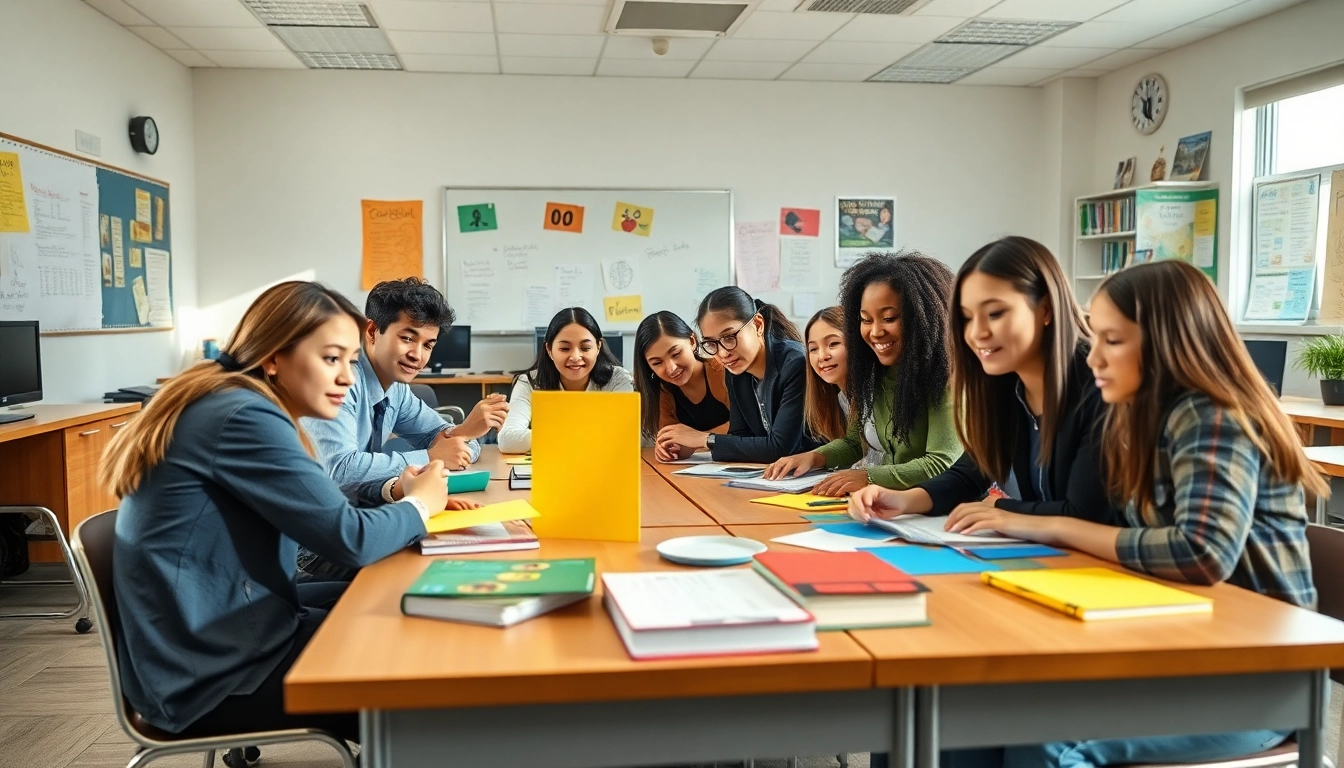
Student-centered learning approaches place students at the heart of the educational process, promoting active participation and engagement. This method encourages learners to take ownership of their learning by fostering inquiry-based projects, collaborative group work, and self-directed study. Techniques such as flipped classrooms and personalized learning plans allow educators to tailor instruction to individual student needs, maximizing relevance and impact. Teachers play a critical role as facilitators and mentors, guiding students through exploration and discovery rather than merely dispensing knowledge.
Assessment Methods to Measure Learning
Assessment is a valuable tool for measuring learning outcomes and providing feedback on student progress. Traditional testing methods often fail to capture the complexity of student understanding; therefore, diverse assessment methods are essential. Formative assessments, such as quizzes, peer reviews, and project presentations, enable continuous feedback and adjustment of teaching strategies. Summative assessments, such as final exams or standardized tests, offer insights into overall achievement but should be used judiciously to complement ongoing evaluations. An effective assessment strategy fosters a growth mindset, helping students recognize their strengths and areas for improvement while building resilience.
Creating an Engaging Curriculum
An engaging curriculum is crucial for fostering student motivation and success. This involves integrating real-world applications and interdisciplinary approaches that connect learning across subjects. By incorporating current events, technology, and practical skills, educators can create lessons that resonate with students' experiences. Understanding student interests and cultural backgrounds is key to designing a curriculum that is not only educational but also relevant and motivating. Additionally, providing opportunities for experiential learning through field trips, labs, and community projects can significantly enhance student engagement and retention of knowledge.
The Future of Education: Vision and Innovation
Emerging Technologies in Education
The future of Education is increasingly intertwined with technological advancements that redefine how knowledge is delivered and consumed. Innovations such as artificial intelligence, machine learning, and augmented/virtual reality are set to transform the educational landscape. AI can tailor educational experiences to individual learner needs, track progress, and provide personalized feedback. Augmented and virtual reality can create immersive learning experiences that enhance engagement and understanding, particularly in subjects like science and history. As technology continues to evolve, educators must remain proactive in integrating these tools effectively into their teaching practices.
Community Involvement in Educational Development
Community involvement is essential for fostering a supportive educational ecosystem. Schools cannot operate in isolation; they must collaborate with parents, local organizations, and businesses to create enriching learning environments. Community engagement initiatives can enhance educational programs, providing resources, mentorship, and real-world learning opportunities. Encouraging volunteerism and partnerships allows schools to tap into local expertise and support systems, ultimately benefiting student outcomes. Building a strong community around Education promotes a sense of belonging and responsibility, fostering a culture where learning is valued and prioritized.
Building Lifelong Learning Pathways
The concept of lifelong learning emphasizes the importance of continuous education throughout life. As the job market evolves, individuals must engage in ongoing learning to adapt and thrive. Educational systems should, therefore, focus on developing skills and mindsets that support lifelong learning, such as critical thinking, adaptability, and emotional intelligence. Offering flexible learning pathways, such as adult education programs, online courses, and professional development workshops, can encourage individuals to pursue further education at any stage of life. Cultivating a culture that values learning as a lifelong endeavor not only benefits individuals but also enriches communities and economies.