
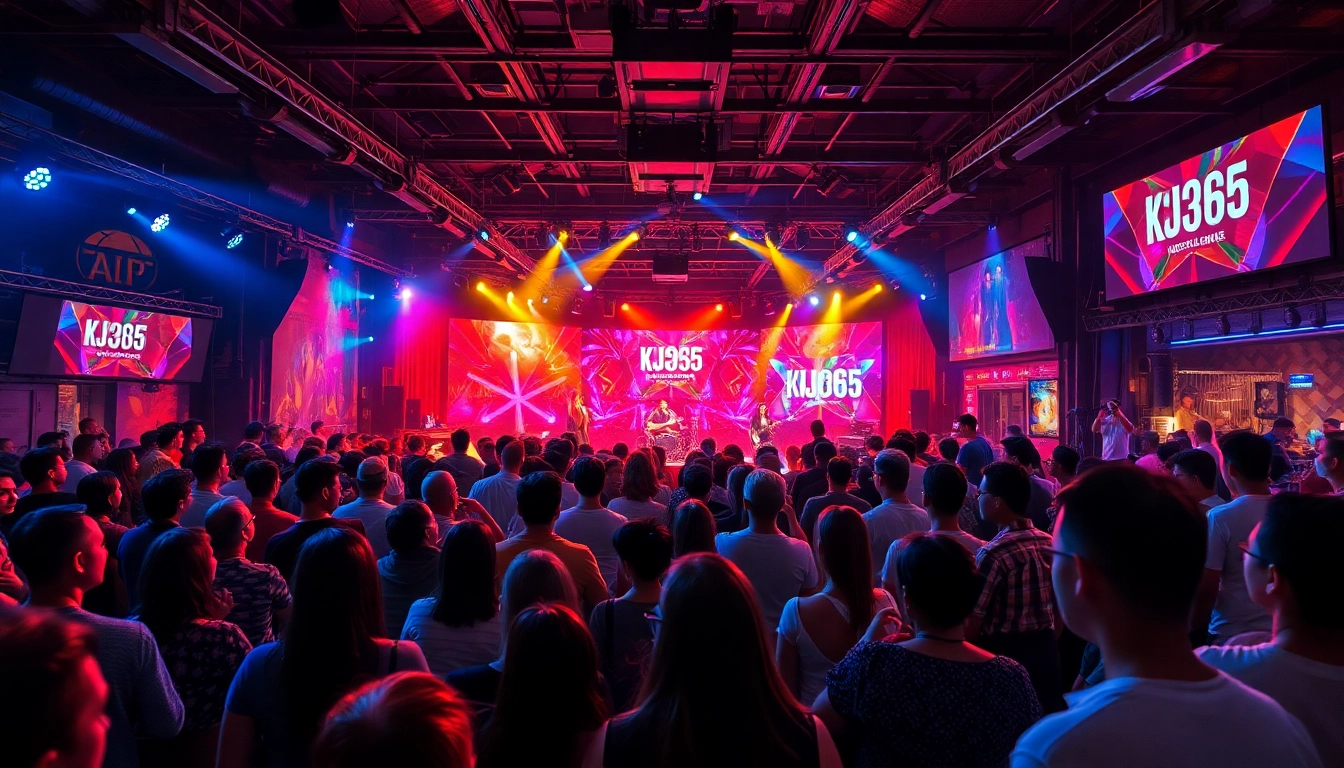
The Evolution of Entertainment: A 2025 Perspective
The entertainment industry is undergoing a significant transformation as we move further into the 2020s. With technological advancements and shifting audience preferences, organizations must adapt to remain relevant. From virtual reality experiences to interactive platforms, entertainment is becoming more immersive and personalized than ever before. Brands like https://kjc365.com/ are at the forefront of this evolution, leveraging innovative strategies to captivate their audiences and enhance their engagement.
Trends Shaping the Future of Entertainment
As we look toward 2025, several key trends are shaping the future of entertainment. One major trend is the rise of streaming services, which continue to dominate how consumers access content. Traditional television is giving way to on-demand viewing, resulting in a need for content creators to produce high-quality, diverse programming that appeals to a wide range of audiences.
- Content Accessibility: Consumers expect easy access to content across multiple platforms. This has led to an increase in mobile-friendly entertainment options.
- Personalized Experiences: Companies are utilizing data analytics to offer tailored recommendations, enhancing user satisfaction.
- Interactive Formats: Audiences are looking for participation rather than passive consumption. This trend has led to the development of interactive storytelling and gamified experiences.
Impact of Technology on Entertainment Experiences
The technological landscape has revolutionized entertainment experiences. Augmented reality (AR) and virtual reality (VR) technologies offer immersive environments that transport users to different worlds. Events are no longer confined to physical venues; now, they can engage global audiences through virtual platforms, bringing communities together in innovative ways.
Moreover, advancements in AI are shaping content creation. Smart algorithms can generate scripts, analyze viewer preferences, and even personalize marketing strategies based on viewer behavior. This integration of technology not only enhances creativity but also streamlines production processes, allowing for quicker turnarounds and broader outreach.
Audience Engagement Strategies for Modern Venues
Engaging modern audiences requires a multifaceted approach that includes both digital and physical elements. Venues are now utilizing social media platforms to create buzz around events, fostering a sense of community among attendees. This can be achieved through:
- Live Polling: Utilizing platforms for real-time audience feedback during events enhances engagement.
- Interactive Installations: Providing interactive displays or virtual experiences that encourage visitor participation.
- Community Building: Developing online communities where fans can discuss and share their experiences fosters loyalty.
Building a Strong Entertainment Brand with https://kjc365.com/
Creating a formidable brand in the entertainment industry entails more than just offering quality content; it involves establishing a unique identity that resonates with the target audience. A strong brand can drive loyalty and engagement, positioning an organization as a leader in the market.
Creating a Unique Brand Identity
A unique brand identity reflects the values, mission, and vision of the entertainment entity. This can be achieved through consistent visual elements, messaging, and tone across all platforms. Developing a recognizable logo and tagline that encapsulates the brand’s essence is vital in standing out amidst a crowded market.
- Visual Branding: Ensure that your branding is visually appealing and immediately recognizable.
- Consistent Messaging: Maintain a single voice across all channels to foster trust and recognition.
- Core Values: Clearly communicate your brand's values to connect emotionally with your audience.
Leveraging Social Media for Brand Growth
Social media platforms are invaluable tools for entertainment brands to reach and engage wider audiences. By crafting shareable content, running targeted ads, and utilizing influencer partnerships, brands can boost their visibility. Engaging with followers through comments and direct messages nurtures a loyal community that feels connected to the brand.
Strategies for Authentic Audience Connection
Establishing authentic connections with audiences is crucial for brand loyalty. This can involve storytelling that resonates on a personal level, transparency in communication, and responding to audience feedback. Brands should strive to create content that speaks to the values and interests of their target demographic, fostering a sense of belonging.
Event Planning Essentials: What You Need to Succeed
Successful event planning is an art that requires meticulous attention to detail and a strategic approach. The rise of digital events has made it even more critical for planners to hone their skills in creating memorable experiences.
Key Steps in Organizing Memorable Events
The first step in successful event planning is defining the event’s goals. Understanding the purpose informs every aspect, from venue selection to marketing strategies. Next, planners should develop a robust timeline that outlines all necessary tasks leading up to the event day.
- Define Objectives: Clearly outline what the event aims to achieve.
- Budget Planning: Allocate resources efficiently to avoid overspending.
- Vendor Coordination: Establish relationships with reliable vendors to guarantee quality services.
Budgeting and Resource Management Techniques
Effective budgeting is fundamental to successful event planning. This involves projecting costs accurately and allocating resources sensibly. Regularly revisiting the budget and adjusting for unexpected expenses can prevent financial pitfalls.
Partnerships and Collaborations in the Industry
Forming partnerships with other brands can enhance event offerings and broaden reach. Collaborations can range from co-hosting events to cross-promotional marketing strategies. Engaging with local businesses or influencers can also provide additional resources and enhance credibility within the community.
Engaging Entertainment Formats: Beyond Traditional Shows
As entertainment evolves, so do the formats in which content is delivered. Audiences are seeking new and engaging ways to experience entertainment beyond traditional shows.
Innovative Virtual Entertainment Experiences
Virtual reality (VR) and augmented reality (AR) are creating opportunities for new entertainment formats that leverage technology. These immersive experiences can transport viewers to unique environments, offering a deeper connection to the content.
Interactive Audience Participation Techniques
Modern audiences crave participation rather than passivity. Techniques such as audience voting, choose-your-own-adventure formats, and live Q&A sessions create opportunities for interaction that boost engagement levels and overall satisfaction.
The Role of Festivals and Fairs in Cultural Connectivity
Festivals and fairs serve as crucial platforms for connecting diverse communities and showcasing cultural heritage. These events not only entertain but also educate and foster connections between attendees and artists, promoting cultural exchange and understanding.
Measuring Success in the Entertainment Sector
Success in the entertainment industry is often measured through clear performance indicators. Understanding these metrics is vital for refining strategies and enhancing future endeavors.
Defining Key Performance Indicators
Key performance indicators (KPIs) provide measurable values that demonstrate how effectively an organization is achieving its key business objectives. In the entertainment sector, KPIs can range from ticket sales to audience engagement metrics across various platforms.
- Attendance Rates: Monitor ticket sales and event attendance for insight on popularity and reach.
- Engagement Levels: Analyze social media shares, comments, and reactions to gauge audience interest.
- Revenue Generation: Evaluate profit margins to understand financial health.
Data-Driven Decision Making for Event Planners
Event planners can harness data analytics to inform their strategies. By analyzing audience demographics, preferences, and behaviors, planners can craft experiences that resonate with attendees, improving overall satisfaction and retention.
Future-Proofing Your Entertainment Content Strategy
As the industry continues to evolve, future-proofing content strategies is essential. Staying abreast of emerging trends, fostering innovation, and continuously engaging with audiences will ensure long-term success. Organizations should remain flexible, adapting to changes in technology and audience dynamics to maintain relevance in a fast-paced environment.
In conclusion, the entertainment industry's future hinges on creativity, technology, and authentic engagement. By leveraging insights presented here, including those from brands like kjc mm88, stakeholders can navigate the evolving landscape with confidence, ensuring they remain at the forefront of this dynamic field.