Understanding Double Girder Bridge Cranes
In the world of material handling, double girder bridge cranes stand out as powerful and efficient solutions for lifting heavy loads. These cranes are engineered to provide superior stability and lifting capacity compared to their single girder counterparts. In this section, we will delve into the definition, key components, and distinctive advantages of double girder bridge cranes, offering valuable insights for businesses looking to enhance their operational efficiency.
What is a Double Girder Bridge Crane?
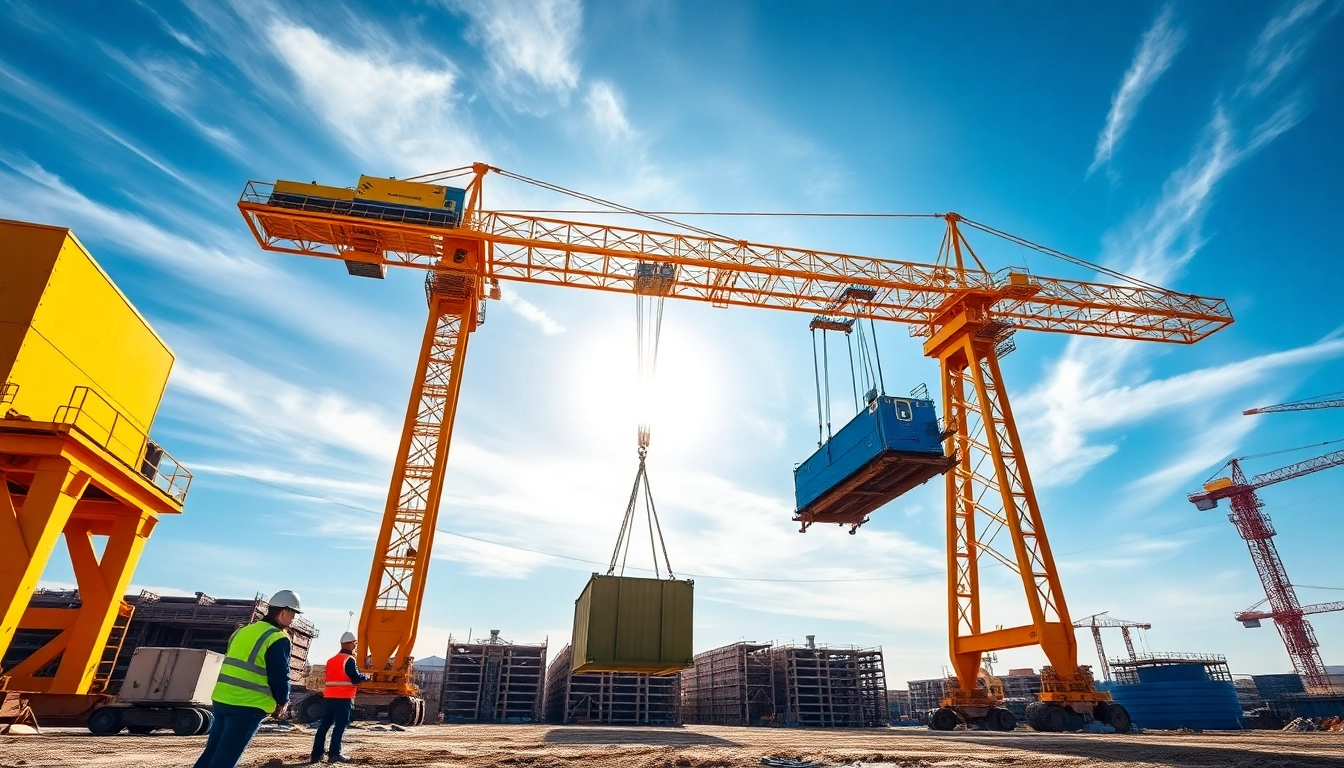
A double girder bridge crane is an overhead crane system that consists of two parallel girders supporting a hoist and trolley system. Unlike single girder cranes, where the hoist is mounted beneath a single beam, the double girder design allows for greater lifting capacities and spans. The hoist is typically mounted on top of the girders, providing additional hook height and allowing for more efficient use of vertical space. This design makes double girder bridge cranes particularly suitable for industrial applications where heavy loads and extended reach are required.
Key Components and Mechanisms
The functionality of a double girder bridge crane hinges on its various components, each essential for optimal performance:
- Main Girders: These are the primary structural components that bear the load. Typically made from steel, they provide the framework for the entire crane.
- Hoisting Mechanism: A high-capacity electric hoist is mounted on the girders, allowing for the smooth lifting and lowering of loads.
- Trolley: The trolley moves along the girders and carries the hoist, facilitating lateral movement of the load.
- End Trucks: These are equipped with wheels that run on the crane runway, enabling the crane to move along predefined paths.
- Control Systems: Modern double girder cranes are equipped with sophisticated control systems that enhance precision and safety during operations.
Advantages over Single Girder Designs
Choosing a double girder bridge crane over a single girder design comes with numerous advantages that can significantly benefit industrial operations:
- Increased Load Capacity: Double girder configurations can handle heavier loads, often exceeding 50 tons, making them ideal for demanding applications.
- Greater Hook Height: The design allows for optimal utilization of vertical space, as the hoist is positioned above the girders, enabling taller loads to be lifted.
- Enhanced Stability: The triangular geometry of double girder systems offers improved stability during operation, reducing sway and enhancing safety.
- Versatile Applications: From manufacturing plants to construction sites, double girder cranes can be adapted for a variety of lifting tasks.
- Improved Operational Efficiency: Their design allows for faster lifting speeds and smoother operations, leading to higher productivity levels.
Applications of Double Girder Bridge Cranes
Double girder bridge cranes are versatile tools utilized across multiple industries. Their robust design makes them the preferred choice for various applications. Let’s explore some of the industries that benefit from these cranes and how they are implemented effectively.
Industries That Utilize Double Girder Cranes
Some of the key industries that rely on double girder bridge cranes include:
- Manufacturing: Used for transporting heavy materials and components within factories, enhancing assembly line efficiency.
- Construction: Ideal for lifting heavy beams, pre-cast concrete sections, and other construction materials.
- Shipping and Logistics: Frequently employed in warehouses for loading and unloading cargo and organizing inventory.
- Mining: Used for handling heavy equipment and materials essential for mining operations.
- Automotive: In automotive plants, these cranes assist in moving heavy parts and assemblies throughout the manufacturing process.
Case Studies: Successful Implementations
Numerous companies have successfully implemented double girder bridge cranes to improve their operational workflows. For instance:
- Aerospace Manufacturer: A leading aerospace company adopted a double girder crane system which increased their load capacity from 20 tons to 50 tons, significantly enhancing their assembly capabilities.
- Automotive Plant: By installing a double girder crane, a major automotive manufacturer reduced their vehicle assembly time by 30%, showcasing the efficiency of these cranes in high-throughput environments.
- Construction Projects: A construction firm utilized a double girder crane for lifting steel beams, simplifying the process and reducing labor costs by 25%.
Choosing the Right Application for Your Needs
When selecting a double girder bridge crane, it’s essential to consider several factors to ensure it meets your specific requirements:
- Load Capacity: Assess the maximum weight the crane must lift regularly.
- Span Requirements: Determine the distance the crane needs to cover.
- Operating Environment: Consider whether the crane will be used indoors or outdoors, and account for environmental factors.
- Frequency of Use: High-frequency operations may require a more robust crane design with advanced controls.
Best Practices for Safety and Operation
Ensuring the safety of workers and equipment during crane operations is paramount. Adopting best practices can minimize risks and enhance operational efficiency.
Safety Protocols in Crane Operations
Implementing proper safety protocols is crucial when operating a double girder bridge crane:
- Regular Training: All operators should undergo extensive training to understand the crane’s features and safety mechanisms.
- Pre-Operation Inspections: Conduct daily checks to ensure that all components are in working order before beginning operations.
- Establishing Safety Zones: Designate areas around the crane to prevent unauthorized personnel from entering during operation.
- Use of Personal Protective Equipment (PPE): Ensure all workers in the vicinity wear appropriate PPE to mitigate risks.
Regular Maintenance and Inspections
To maintain operational efficiency, it is essential to perform regular maintenance:
- Scheduled Maintenance: Create a maintenance schedule that includes lubrication, inspections, and part replacements.
- Monitoring Performance: Keep records of the crane's performance to identify any issues early and address them promptly.
- Professional Inspections: Have certified professionals inspect the crane at least annually to comply with safety regulations.
Training Workers for Effective Use
Effective training programs for crane operators can significantly reduce accidents and enhance productivity:
- Theoretical Training: Provide comprehensive information on crane mechanics, operational protocols, and safety measures.
- Practical Training: Allow new operators to gain hands-on experience under the supervision of experienced personnel.
- Certification: Encourage operators to obtain certification to validate their skills and knowledge.
Cost Considerations and Budgeting
When investing in a double girder bridge crane, understanding the cost implications and budgeting accordingly is essential for a successful acquisition.
Initial Investment vs. Long-Term Savings
While the initial cost of a double girder crane can be substantial, it’s crucial to consider the long-term savings it can provide:
- Increased Efficiency: These cranes can often lead to higher productivity, reducing operational costs over time.
- Durability and Reliability: Investing in robust models with quality components can decrease the frequency of repairs and replacements.
- Safety Improvements: By enhancing workplace safety, businesses can avoid costly accidents and insurance premiums.
Financing Options for Commercial Purchases
Businesses have various options when it comes to financing the purchase of a double girder bridge crane:
- Lease Agreements: Leasing can provide access to advanced crane systems without a large upfront investment.
- Bank Loans: Traditional loans can be used to finance the purchase, often with favorable interest rates for businesses.
- Manufacturer Financing: Some crane manufacturers offer in-house financing plans that can spread costs over time.
Pricing Trends for 2025
As we move into 2025, it’s important to monitor trends affecting crane pricing:
- Material Costs: Fluctuations in steel prices can impact the overall cost of crane production.
- Technological Advancements: New features and automation may increase upfront costs, but can lead to greater efficiencies.
- Market Demand: As industries grow, the demand for high-capacity cranes may drive prices higher.
Future Trends in Double Girder Bridge Crane Technology
The future of double girder bridge cranes is set to evolve with technological advancements and industry demands. Staying informed about these trends is crucial for businesses looking to maintain a competitive edge.
Innovations to Watch in 2025
Several key innovations are on the horizon for double girder bridge cranes:
- Smart Technology: Integration of IoT and AI for monitoring crane performance and predictive maintenance.
- Enhanced Control Systems: Development of more sophisticated control interfaces for improved operator efficiency.
- Lightweight Materials: Use of advanced materials that reduce the weight of cranes without compromising strength.
Impact of Automation on Crane Operations
Automation is transforming how cranes operate:
- Remote Control: Operators may control cranes from a distance, improving safety in hazardous environments.
- Automated Load Monitoring: Advanced systems can calculate load weights in real time, enhancing safety and efficiency.
- Data Analytics: Utilize data analytics for performance benchmarking and operational improvements.
Environmental Considerations and Sustainable Practices
With increasing focus on sustainability, future crane technologies will likely incorporate eco-friendly practices:
- Energy-Efficient Drives: Development of energy-efficient motors and drives to reduce power consumption.
- Recyclable Materials: Using materials that can be easily recycled at the end of the crane's life cycle.
- Emissions Reduction: Innovations aimed at minimizing emissions during crane operation, contributing to greener workplace standards.