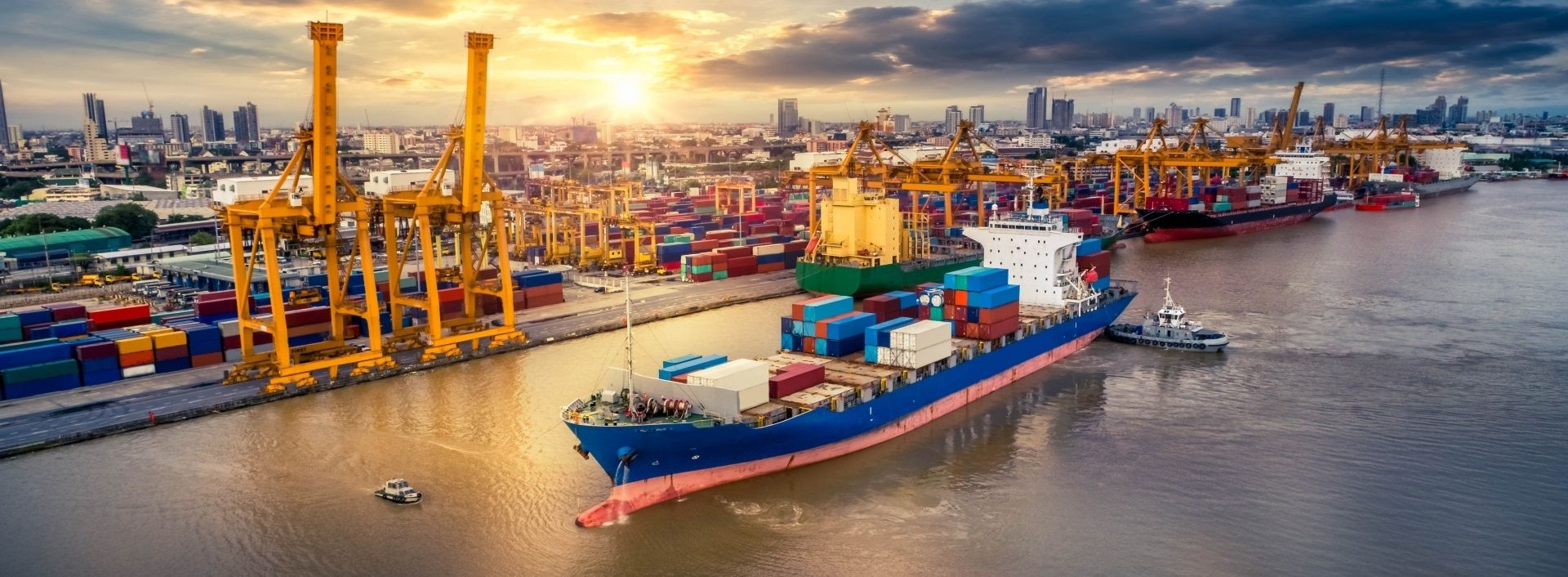
Understanding Logistics: Definition and Importance
Logistics plays a crucial role in the efficiency of any business operation. Defined as the process of planning, implementing, and controlling the movement and storage of goods and services, logistics is integral not only to the supply chain but also to customer satisfaction and overall business success. Proper logistics ensures that goods reach their destination in a timely and efficient manner, maximizing potential profit while minimizing costs. Many businesses have recognized the importance of logistics management and have adopted strategies that streamline their operations. For more on logistics best practices, visit Logistics.
What Is Logistics?
At its core, logistics encompasses all aspects of managing the flow of goods, information, and resources from points of origin to final destinations. This includes not only the transportation of products but also their warehousing, inventory management, order fulfillment, and distribution processes. The concept of logistics originated from military operations but has since expanded into various sectors, including retail, manufacturing, and e-commerce, reflecting its versatility and broad applicability.
Significance of Effective Logistics
Effective logistics are essential for several reasons:
- Cost Reduction: Streamlined logistics processes help businesses minimize costs through efficient transportation routes, optimized inventory levels, and reduced waste.
- Higher Customer Satisfaction: Effective logistics ensure timely deliveries and accurate order fulfillment, leading to improved customer satisfaction and loyalty.
- Enhanced Competitive Advantage: Businesses that master logistics management often stand out in a crowded marketplace, gaining an edge over competitors through superior service.
- Supply Chain Resilience: A robust logistics framework allows companies to respond swiftly to disruptions and changes in demand, maintaining operational continuity.
Logistics in Various Industries
Logistics is not a one-size-fits-all service; it adapts to meet the diverse needs of various industries:
- Retail: In retail, logistics manages the flow of goods from suppliers to warehouses and eventually to shelves. This involves extensive coordination and inventory control to ensure products are available when customers demand them.
- Manufacturing: In manufacturing, logistics supports the timely supply of raw materials and parts while managing the distribution of finished products to the marketplace.
- Healthcare: The healthcare sector relies on logistics for just-in-time delivery of critical supplies and medical equipment, ensuring that hospitals have the necessary resources to provide patient care.
- Food and Beverage: Supply chain logistics in this industry requires strict temperature control and adherence to safety regulations, providing fresh and safe products to consumers.
Types of Logistics: A Comprehensive Overview
Supply Chain Logistics
Supply chain logistics encompasses the entire range of the supply chain activities from procurement to product delivery. It integrates various logistics components like transportation, warehousing, and inventory control, ensuring a smooth flow of materials and information throughout the supply chain. This holistic approach helps businesses optimize operations, reduce costs, and improve service delivery.
Inbound vs. Outbound Logistics
Logistics can be categorized into inbound and outbound logistics, each serving a unique purpose:
- Inbound Logistics: This involves the management of materials and products coming into a business. It includes activities like supplier negotiations, purchasing, receiving goods, and inventory management.
- Outbound Logistics: In contrast, outbound logistics pertains to the distribution of products to customers. This includes order processing, warehousing, inventory management, and transportation.
Third-party Logistics (3PL) Explained
Third-party logistics providers (3PL) offer outsourced logistics services that encompass various components of logistics and supply chain management. Businesses often rely on 3PL for transportation, warehousing, and inventory management, benefiting from the expertise and resources 3PLs bring. This outsourcing can lead to cost savings, improved efficiency, and the ability to scale logistics operations based on demand without significant capital investment.
Best Practices for Logistics Management
Utilizing Technology in Logistics
Technology plays a pivotal role in enhancing logistics efficiency. From warehouse management systems (WMS) to transportation management systems (TMS), leveraging technology helps businesses track inventory, optimize routes, and improve visibility throughout the supply chain. Integration of AI and data analytics also allows for predictive modeling and enhanced decision-making, thus streamlining logistics operations.
Streamlining Processes for Cost Efficiency
To achieve cost efficiency, businesses should evaluate and refine their logistics processes. This may involve:
- Standardizing processes across departments to reduce errors and inefficiencies.
- Conducting regular audits to identify bottlenecks and areas for improvement.
- Investing in training employees to optimize logistics management practices.
Building Strong Partnerships with Suppliers
Strong supplier relationships are integral to successful logistics. By collaborating closely with suppliers, businesses can improve communication, enhance responsiveness, and reduce lead times. Establishing partnerships based on trust and mutual benefit ensures smoother supply chain operations and helps to mitigate risks associated with supply chain disruptions.
Challenges in Logistics and How to Overcome Them
Managing Supply Chain Disruptions
Supply chain disruptions can arise from various factors—natural disasters, political instability, or sudden changes in market conditions. To mitigate risks, companies should develop contingency plans, diversify their supplier base, and invest in technology that enhances visibility and predictability in logistics operations.
Addressing Capacity Limitations
As demand fluctuates, capacity limitations can pose significant challenges. Businesses must continuously assess their logistics capacity and invest in scalable solutions, such as flexible warehousing options and transportation fleets that can be expanded or contracted based on demand.
Navigating Regulatory Compliance Issues
Logistics operations are often subject to various regulations and compliance requirements. Staying informed about local, national, and international regulations is essential for smooth operations. Companies should implement compliance training programs, regularly update their policies, and utilize compliance management software to ensure adherence to all relevant laws and regulations.
Future Trends in Logistics: What to Expect
The Role of Automation and AI in Logistics
The future of logistics is increasingly leaning towards automation and artificial intelligence. Automated warehousing systems, robotic process automation, and AI-driven analytics are already reshaping logistics operations. Companies employing these technologies can expect enhanced efficiency, accuracy, and reduced operational costs.
Sustainability Practices in Logistics
With rising awareness around environmental concerns, sustainability has become a significant trend in logistics. Companies are now investing in green logistics practices, such as optimizing transportation routes to reduce carbon footprints, embracing electric vehicles, and employing sustainable packaging solutions. These practices not only help the environment but also improve brand reputation and customer loyalty.
Emergence of Last-Mile Delivery Innovations
The last mile of delivery is often the most critical and complex segment of the logistics process. Innovations such as drones, autonomous vehicles, and advanced routing technologies are transforming last-mile delivery. Businesses focusing on these innovations can improve delivery speed and reduce costs, ultimately enhancing customer satisfaction.