
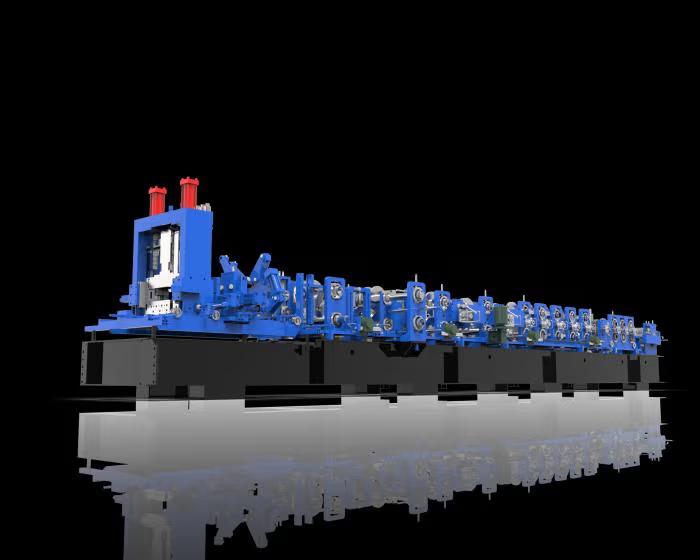
As manufacturers continue to invest in advanced production equipment, understanding the lifecycle of a roll forming machine has become increasingly important. From initial design and installation to long-term operation and maintenance, every stage plays a role in determining machine performance and overall return on investment.
A well-designed roll forming system can provide years of reliable production when properly maintained. Supported by custom framing tools and custom machinery solutions modern roll forming machines help manufacturers meet production demands while maintaining efficiency and product quality.
The Importance of Machine Lifecycle Management
The lifecycle of a roll forming machine extends beyond its initial purchase. Manufacturers must consider installation, operation, maintenance, upgrades, and eventual replacement when evaluating equipment performance.
Proper lifecycle management helps maximize productivity while reducing unexpected downtime and operating costs. It also ensures that production equipment continues to meet changing manufacturing requirements over time.
Key Stages in the Lifecycle of a Roll Forming Machine
Design and Engineering
The lifecycle begins with equipment design and engineering. Manufacturers work to develop systems that meet specific production requirements while ensuring reliability and efficiency.
Installation and Commissioning
Once the machine is delivered, proper installation and testing are essential for achieving optimal performance. This stage ensures that all systems operate correctly before full production begins.
Daily Production Operations
During regular operation, roll forming machines continuously produce metal profiles for construction and industrial applications. Efficient operation helps maximize equipment utilization and productivity.
Maintenance and Upgrades
Routine maintenance is necessary to keep equipment performing at its best. Periodic upgrades can also help improve efficiency and extend machine lifespan.
Equipment Renewal or Replacement
As technology advances, manufacturers may choose to upgrade or replace older systems to improve production capabilities and remain competitive.
Roll forming machines are commonly used for:
- Steel framing systems
- Roofing components
- Wall panels
- Industrial profiles
- Construction materials
- Structural applications
- Custom manufacturing projects
Their versatility makes them valuable assets across multiple industries.
Supporting Long-Term Production Success
Manufacturers often rely on custom framing tools to produce specialized profiles that meet specific project requirements. Maintaining these tools throughout the equipment lifecycle helps ensure consistent quality and reliable production performance.
Regular inspections and preventive maintenance can further improve machine longevity and reduce costly disruptions.
Choosing the Right Equipment Strategy
When investing in production equipment, manufacturers should consider machine durability, maintenance requirements, upgrade potential, and long-term operating costs. Advanced custom machinery solutions can provide the flexibility needed to support changing production demands throughout the machine's lifecycle.
A strategic approach to equipment management can help maximize both productivity and return on investment.
Conclusion
Understanding the lifecycle of a roll forming machine is essential for achieving long-term manufacturing success. From design and installation to maintenance and eventual replacement, each stage contributes to overall equipment performance and reliability.
Whether utilizing specialized custom framing toolsor advanced custom machinery solutions, manufacturers that effectively manage their equipment lifecycle can improve efficiency, maintain product quality, and support sustainable business growth.