Understanding Distilled and Purified Water
When it comes to choosing between different types of drinking water, many consumers often find themselves comparing distilled and reverse osmosis (RO) water. Both options provide high levels of purity, but they are produced through distinct processes and offer unique benefits. This article explores the distilled water purified water difference, helping you make an informed decision.
What is Distilled Water?
Distilled water is produced through a process of distillation, where water is boiled to create steam. This steam rises, leaving behind impurities such as minerals, salts, and contaminants. Once the steam is cooled, it condenses back into liquid form, resulting in highly purified water. Distilled water is often utilized in settings that require mineral-free water, such as laboratories, medical facilities, and industries that demand water with specific purity standards.
What is Purified Water?
Purified water, on the other hand, refers to water that has undergone various filtration processes to remove contaminants. This can include methods such as reverse osmosis, carbon filtration, or deionization. The goal of purification is to ensure that the water is safe for drinking, free from harmful chemicals and pollutants. Purified water retains some beneficial minerals, making it a more suitable option for regular consumption.
Key Differences Between Distilled and Purified Water
While both distilled and purified water are clear and clean, their key differences lie in the methods of production and their mineral content. Distilled water is devoid of minerals, which can affect taste and nutritional value, whereas purified water retains some essential minerals. Furthermore, distilled water is often produced in smaller quantities compared to purified water, making it less practical for daily use in households. Understanding these distinctions can guide you in selecting the right choice for your hydration needs.
Similarities Between Distilled and Purified Water
Contaminant Removal Efficiency
Both distilled and purified water are excellent at removing a vast majority of contaminants, including chlorine, heavy metals, and bacteria. They undergo rigorous filtration processes and are deemed safe for human consumption. This high level of purification is particularly beneficial for individuals living in areas with compromised water quality or those who are sensitive to certain elements found in tap water.
Health Benefits
Drinking clean water is crucial for maintaining overall health. Both distilled and purified water contribute to hydration without the added risks associated with untreated water. They provide a refreshing alternative that can support bodily functions and improve well-being. However, while purified water retains some beneficial minerals, distilled water may not be ideal for long-term consumption due to its lack of nutrients.
Environmental Impact Comparison
From an environmental perspective, both distilled and purified water systems are more sustainable than relying on bottled water. They help reduce plastic waste significantly and can serve as a long-term solution for providing clean water in households. However, the energy consumption associated with distillation processes may outweigh the benefits over time when compared to more efficient purification methods.
Why Distilled Water May Not Be Ideal for Everyday Use
Mineral Content and Hydration
One of the primary reasons distilled water is not recommended for long-term hydration is its lack of essential minerals. Though it is highly purified, the absence of minerals like calcium and magnesium can lead to potential deficiencies over time, making it less suitable for daily use. In contrast, purified water offers a balance of cleanliness and mineral retention, which is vital for maintaining good health.
Taste and Usability Considerations
The taste of distilled water is often described as "flat" or "bland," primarily due to the removal of minerals during the distillation process. This can deter some individuals from choosing it as their primary source of drinking water. Purified water, particularly those produced through reverse osmosis systems, usually tastes fresher and more enjoyable, making it more suitable for everyday drinking.
Long-Term Health Implications
Using distilled water as a long-term drinking solution may carry health implications. Prolonged consumption of mineral-free water can lead to electrolyte imbalances in the body, as minerals play a crucial role in various physiological processes. For non-specific hydration purposes, purified water is generally a safer choice as it maintains a more balanced mineral composition.
Choosing the Best Water System for Your Home
Countertop Reverse Osmosis Systems
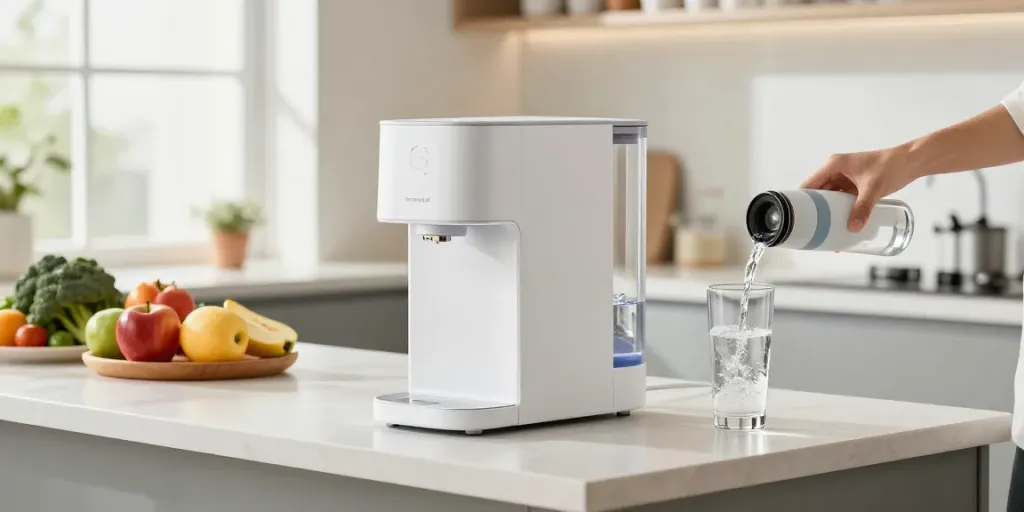
For individuals living in apartments or rentals, countertop reverse osmosis (RO) systems are gaining popularity. These systems are designed for easy setup without the need for extensive plumbing modifications. They offer a reliable, continuous supply of purified water, making them a practical choice for everyday use and ensuring that you're consuming safe, high-quality water.
Understanding Filtration Technologies
As water purification technology advances, understanding the various filtration methods available can help you make informed decisions. RO systems utilize a multi-stage filtration process that effectively removes contaminants while retaining essential minerals, providing a comprehensive solution for clean drinking water. In contrast, understanding the limitations of distillation will help consumers prioritize their hydration needs effectively.
Factors to Consider for Apartments and Rentals
When selecting a water purification system for apartments or rental homes, several factors come into play. Key considerations include ease of installation, space constraints, cost-effectiveness, and the overall quality of the water provided. Countertop RO systems stand out due to their versatility and performance, making them an excellent choice for renters who seek high-quality water without permanent installations. Additionally, these systems often come with innovative features such as UV sterilization for enhanced safety.
Future Trends in Water Filtration and Purification
Innovative Technologies on the Horizon
The future of water purification technology is promising, with advancements in filtration methods and smart technology integration. Emerging systems will likely incorporate IoT features to monitor water quality in real-time and provide users with detailed insights into their water consumption patterns. These innovations can further enhance the convenience and effectiveness of residential water purification solutions, catering to the evolving needs of consumers.
Changing Consumer Preferences
As consumers become more conscious of their health and environmental impact, the demand for efficient, sustainable water purification solutions will continue to rise. The shift towards eco-friendly products and practices will drive innovation in the water filtration industry, promoting systems that prioritize resource conservation and reduce environmental footprints.
Environmental Sustainability Initiatives
Many companies in the water purification sector are actively pursuing sustainability initiatives to minimize their environmental impact. From reducing plastic packaging to implementing energy-efficient processes, these efforts demonstrate a commitment to preserving natural resources while providing high-quality drinking water. Companies like Ciarra are leading the way in offering solutions that combine technology and sustainability for a cleaner future.
What is the difference between distilled water and purified water?
The distinction between distilled water and purified water lies primarily in their production processes and mineral content. Distilled water is devoid of minerals, while purified water retains essential trace elements. This difference can influence taste, usability, and long-term health implications, making it crucial for consumers to understand their hydration needs.
Can you use purified water instead of distilled water?
Yes, purified water is often a suitable replacement for distilled water in most daily applications. While distilled water may be preferred for certain industrial uses, purified water provides a better balance of purity and minerals for everyday consumption, making it a more practical choice for drinking, cooking, and food preparation.
Is distilled water safe for drinking long-term?
While distilled water is safe for short-term consumption, it may not be ideal for long-term hydration due to its lack of essential minerals. Regular consumption of distilled water could lead to potential mineral deficiencies, making it crucial for individuals to consider their dietary needs when choosing between distilled and purified water.
How does reverse osmosis compare to distillation?
Reverse osmosis and distillation are two distinct purification methods that remove contaminants from water. RO systems utilize a semi-permeable membrane and multi-stage filtration to eliminate impurities while retaining some beneficial minerals. In contrast, distillation relies on boiling and condensation, resulting in mineral-free water. This makes RO systems a more practical choice for daily use.
Is distilled water beneficial for cooking and health?
Distilled water can be beneficial in specific cooking applications where mineral content can alter the taste or chemical reactions, such as in baking or brewing. However, for general hydration and health, purified water is typically recommended due to its mineral content, which supports overall health and hydration.