Understanding Vegan Astaxanthin: What It Is and Its Benefits
Vegan astaxanthin is gaining popularity among health-conscious consumers due to its remarkable health benefits and natural origin. Derived from microalgae, this powerful antioxidant has been recognized for its potential in promoting overall wellness. As more people transition to plant-based diets, understanding the role of vegan astaxanthin in supporting health goals becomes increasingly important. When exploring options, vegan astaxanthin provides comprehensive insights into nutrition and wellness.
What Is Astaxanthin?
Astaxanthin is a carotenoid, a class of pigments found in various plants and algae, known for its vibrant red and orange hues. Unlike many carotenoids, astaxanthin is unique in its ability to cross the blood-brain barrier and provide powerful antioxidant protection. Typically found in sources such as salmon, shrimp, and krill, vegan astaxanthin is sourced from microalgae, making it suitable for those following a plant-based lifestyle. The most common source of vegan astaxanthin is Haematococcus pluvialis, a freshwater microalga recognized for its high astaxanthin content.
Health Benefits of Vegan Astaxanthin
The health benefits associated with vegan astaxanthin are diverse, making it a valuable addition to the diets of those looking to enhance their health naturally. Research suggests that astaxanthin provides the following benefits:
- Potent Antioxidant Activity: Astaxanthin exhibits 6000 times the antioxidant capacity of vitamin C, helping to combat oxidative stress and reduce inflammation.
- Eye Health: Studies indicate that astaxanthin may protect against age-related macular degeneration and improve visual acuity.
- Cardiovascular Support: Astaxanthin may help reduce cholesterol levels and support healthy circulation.
- Skin Protection: Its antioxidant properties can enhance skin elasticity and may protect against UV damage.
Sources of Vegan Astaxanthin
While astaxanthin is predominantly found in marine sources, vegan options are available. The primary source of vegan astaxanthin is derived from microalgae, particularly Haematococcus pluvialis. Other sources include:
- Supplemental forms made from microalgae extracts.
- Certain red fruits and vegetables, although they contain lower levels compared to algae.
How Vegan Astaxanthin Supports Your Health Goals
In an era where many individuals are focusing on holistic health approaches, vegan astaxanthin stands out as a multi-functional supplement that could support various health goals. The incorporation of astaxanthin into daily routines can lead to significant improvements in overall well-being.
Boosting Immune Function with Astaxanthin
One of the most notable benefits of astaxanthin is its role in enhancing immune function. By reducing inflammation and oxidative stress, astaxanthin supports the body’s natural defenses, helping to fend off illnesses and infections. Studies have shown that astaxanthin can bolster the immune response, making it a beneficial addition during cold and flu season.
Vegan Astaxanthin and Skin Health
Astaxanthin is often touted as a “super antioxidant” for the skin. Its ability to protect skin cells from UV damage and promote collagen production makes it an attractive ingredient in skincare formulations. Users report improved skin elasticity, reduced wrinkles, and a healthier complexion, making vegan astaxanthin a popular choice for those seeking to enhance their skin health naturally.
Antioxidant Properties of Astaxanthin
The antioxidant properties of astaxanthin are perhaps its most significant advantage. By mitigating oxidative stress, astaxanthin protects cells from damage caused by free radicals. This protection is crucial not only for maintaining youthful skin but also for reducing the risk of chronic diseases associated with aging.
Incorporating Vegan Astaxanthin into Your Diet
Integrating vegan astaxanthin into your daily routine can be both easy and enjoyable. With a variety of culinary options and supplemental formats available, achieving optimal intake is accessible for everyone.
Best Vegan Recipes Featuring Astaxanthin
Incorporating astaxanthin-rich ingredients into recipes can be a fun and delicious way to enhance your diet. Here are a few ideas:
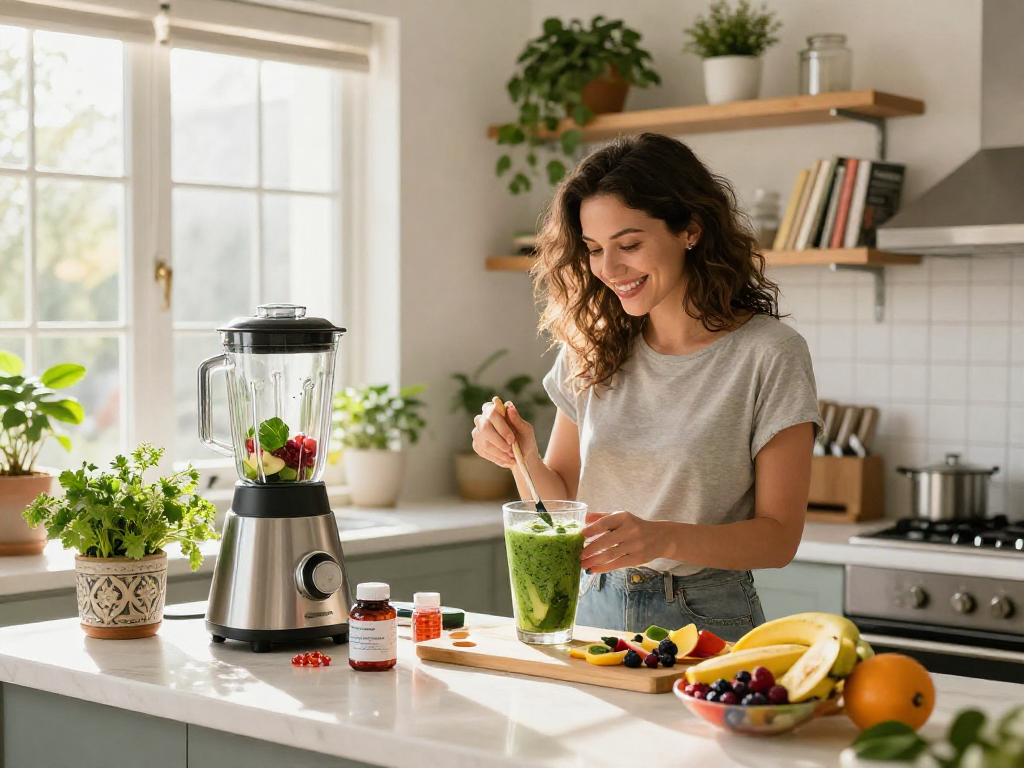
- Green Smoothie: Blend spinach, banana, almond milk, and a scoop of vegan astaxanthin powder for a nutritious morning boost.
- Astaxanthin-Infused Hummus: Add a teaspoon of astaxanthin powder to traditional hummus for a vibrant color and added health benefits.
- Salad Dressing: Create a creamy dressing using tahini, lemon juice, and astaxanthin for a nutritious twist on salads.
Vegan Supplements: Choosing the Right One
When selecting a vegan astaxanthin supplement, it’s essential to consider the quality and source of the product. Look for supplements that specifically state they are derived from Haematococcus pluvialis and are free from additives or fillers. Certifications such as vegan, organic, or non-GMO can provide additional assurance of product integrity.
Practical Tips for Daily Use
To maximize the benefits of vegan astaxanthin, individuals should consider the following tips:
- Start with the recommended dosage and adjust based on your individual health needs.
- Incorporate astaxanthin into meals for absorption with healthy fats, such as avocados or olive oil.
- Consistency is key; make it a part of your daily routine for optimal results.
Common Myths about Vegan Astaxanthin
With growing interest in vegan astaxanthin, several myths may arise. Addressing these misconceptions can help consumers make informed decisions regarding their health.
Debunking Misconceptions
Some common myths include the belief that astaxanthin is only beneficial for athletes or that its vegan form is not as effective as its non-vegan counterpart. In reality, astaxanthin can benefit anyone looking to improve their health, regardless of lifestyle.
Vegan vs. Non-Vegan Astaxanthin
A significant difference lies in the source; while non-vegan astaxanthin is often derived from seafood, vegan options come from microalgae. This makes vegan astaxanthin a suitable choice for those avoiding animal products while still providing the same potent benefits.
Science Behind Astaxanthin Effectiveness
Scientific research supports the effectiveness of astaxanthin, showcasing its ability to combat oxidative stress and inflammation. Numerous studies have demonstrated its positive effects on skin health, immune function, and overall well-being, providing a solid foundation for its use as a dietary supplement.
The Future of Vegan Astaxanthin: Trends and Innovations for 2026
The future of vegan astaxanthin looks promising, with emerging research and innovations expected to enhance its appeal in the wellness industry. With an increasing number of consumers seeking plant-based nutrition, astaxanthin is poised for growth.
Emerging Research on Astaxanthin
Current studies are exploring the many facets of astaxanthin, including its potential applications in sports nutrition and disease prevention. As more evidence surfaces, the understanding of astaxanthin’s benefits will likely expand, further validating its place in health supplements.
Market Trends and Consumer Preferences
Consumers are becoming more discerning, favoring transparency and sustainability in their dietary choices. The trend toward plant-based diets is propelling vegan astaxanthin into the limelight as a preferred source of antioxidants.
Predictions for Vegan Astaxanthin in the Wellness Space
By 2026, we can expect to see a broader range of products containing vegan astaxanthin, from supplements to food products. As awareness continues to grow, more people will incorporate this powerful antioxidant into their wellness routines, recognizing its significant contributions to health.
What are the benefits of vegan astaxanthin?
Vegan astaxanthin offers numerous benefits, including powerful antioxidant protection, improved skin health, support for eye health, and enhanced immune function.
Can vegan astaxanthin improve skin health?
Yes, vegan astaxanthin can improve skin health by protecting against UV damage, reducing signs of aging, and promoting overall skin elasticity.
How to choose vegan astaxanthin supplements?
Choose vegan astaxanthin supplements that are derived from Haematococcus pluvialis, have minimal additives, and come from reputable brands.
What are the best vegan sources of astaxanthin?
The best vegan sources of astaxanthin are microalgae, particularly Haematococcus pluvialis, which can be found in supplement form.
Are there any side effects of astaxanthin?
Astaxanthin is generally considered safe for most people, with minimal side effects. Some may experience mild digestive upset or a change in skin tone with excessive use.