
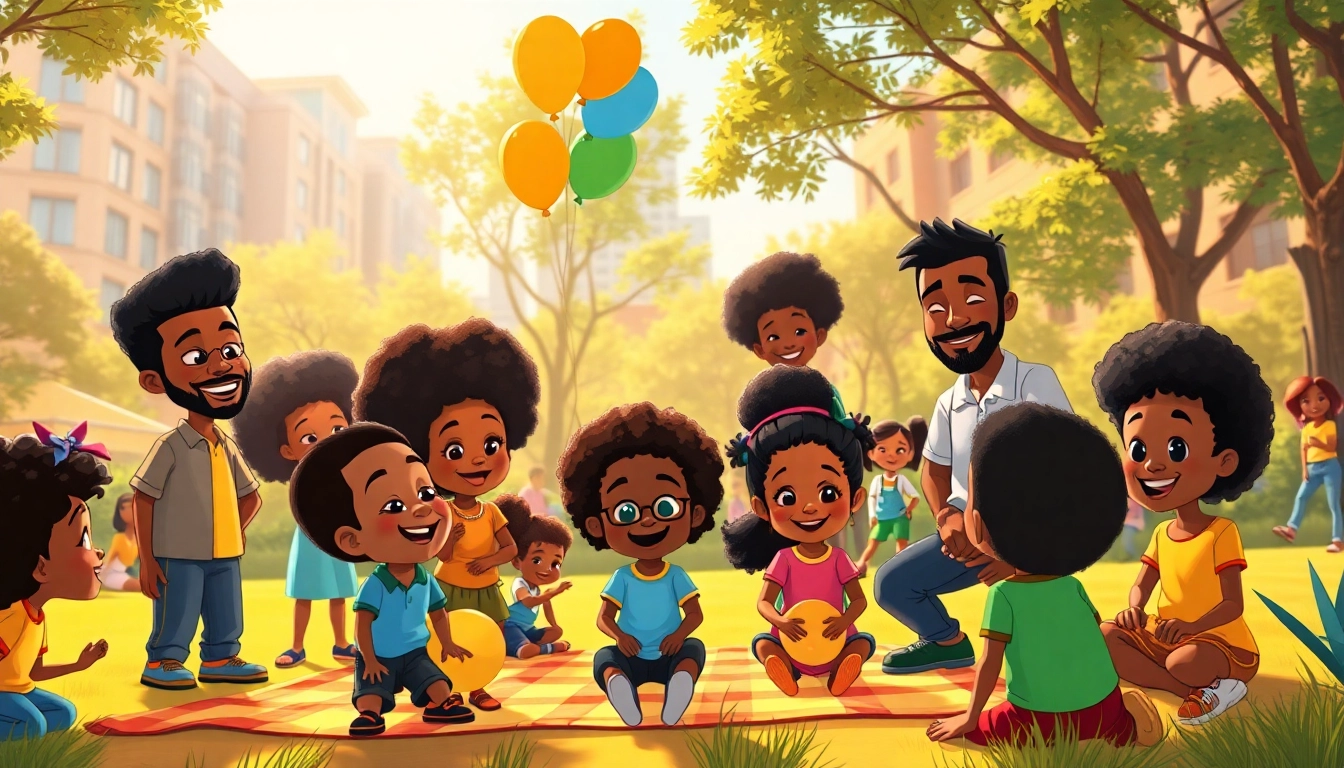
Understanding African American Cartoons
The realm of animation has long been a platform for self-expression, storytelling, and cultural representation. In recent years, African American cartoons have gained significant traction, illustrating not only vibrant narratives but also the richness of African American culture. As we delve into the African American Cartoons landscape, we will explore their historical evolution, significance in promoting representation, and the profound themes that resonate within popular series.
The Historical Evolution of African American Cartoons
From the early days of animation, African Americans were often relegated to the margins, depicted through various stereotypes that undermined their culture. However, the late 20th century marked a turning point with the emergence of shows that celebrated black culture and experiences. Iconic series such as “Fat Albert and the Cosby Kids” and “The Boondocks” not only entertained but also became vehicles for social commentary, challenging the status quo and highlighting the complexities of African American life.
In the early 2000s, networks like Cartoon Network and Nickelodeon began to embrace diversity more actively, leading to the creation of shows with African American leads, such as “The Proud Family” and “Static Shock.” These shows helped to foster a sense of pride and identity while providing relatable characters for children and adults alike.
Significance of Representation in Animation
Representation matters tremendously in media, particularly in animation, where children form initial perceptions of race and identity. African American cartoons serve as crucial tools for reflecting the diversity of the audience. They open discussions around race, identity, and acceptance in ways that are accessible and engaging for young viewers. By seeing characters that look like them and navigate similar social landscapes, children can develop a healthier self-image and a greater understanding of their culture.
Key Themes and Messages in Popular Series
Many African American cartoons tackle complex themes such as family, friendship, cultural heritage, and social justice. For example, “The Boondocks” employs satire to address racial issues in contemporary America, while “Doc McStuffins” promotes empathy and the importance of healthcare among children. These shows inform and inspire, using humor and relatable scenarios to tackle significant societal issues.
Top African American Cartoons for Kids
For parents looking to enrich their children’s viewing experience, numerous African American cartoons offer valuable lessons alongside entertainment. These shows are not only fun to watch but also serve educational purposes, instilling cultural values and encouraging imagination.
Must-Watch Shows for Young Audiences
- The Proud Family: This classic series revolves around Penny Proud, a young girl navigating the trials of adolescence while dealing with family dynamics in an African American household.
- Doc McStuffins: A groundbreaking show featuring a young African American girl aspiring to be a doctor, emphasizing the importance of health and compassion.
- Motown Magic: A series that introduces children to the magical world of music, inspired by classic Motown hits, fostering creativity and appreciation for the arts.
Educational Benefits of African American Cartoons
These cartoons often incorporate educational elements that promote critical thinking and cultural knowledge. For instance, “Sesame Street” has included a variety of characters and stories celebrating African American culture, teaching children about diversity, inclusiveness, and respect for different backgrounds.
Furthermore, educational shows like “Akili and Me” are designed to introduce basic learning elements along with lessons on self-identity and cultural pride, making them perfect for young audiences.
How These Cartoons Promote Cultural Awareness
Through storytelling and character development, African American cartoons create a bridge for children to understand diversity. They encourage discussions about race and society, helping children learn that differences in culture, tradition, and life experiences should be celebrated rather than feared.
Series like “Home: Adventures with Tip & Oh” explore themes of friendship and understanding through the lens of a young girl and an alien, ultimately teaching acceptance of differences.
Iconic African American Characters in Animation
Character representation within African American cartoons has paved the way for impactful stories and role models. These characters inspire young viewers and contribute to a greater understanding of African American culture.
Character Profiles: Heroes and Role Models
- Huey and Riley Freeman from “The Boondocks”: These brothers represent the complexities of African American life, with Huey often acting as the voice of reason and social critique.
- Penny Proud from “The Proud Family”: A relatable young girl who faces the challenges of growing up while navigating her identity and cultural heritage.
- Doc McStuffins: A young girl who aspires to be a doctor, encouraging children, particularly girls of color, to pursue their dreams in STEM fields.
The Impact of These Characters on Youth
Having strong African American characters in cartoons helps children build a sense of belonging and pride. Characters like Doc McStuffins teach the value of compassion and health. Simultaneously, they show young black girls that they can achieve their dreams in any field.
Fan Favorites: Engaging with the Characters
Engagement with favorite characters often leads to deeper connections with the stories they tell. Merchandise, online games, and community events centered around these characters allow kids to immerse themselves further in rich cultural narratives.
Trends in African American Animated Series for 2026
As we look to the future of animation, several emerging trends are shaping the landscape of African American cartoons, promising to enrich the medium even further.
Emerging Themes in New Releases
Upcoming series are likely to focus on themes of environmental awareness, mental health, and representation of LGBTQIA+ narratives within the African American community. The integration of these topics reflects a societal shift towards inclusivity and awareness.
Technological Innovations in Animation
Advancements in animation technology allow for more dynamic storytelling techniques and artistic expression. The use of mixed media and interactive elements can enhance narratives, making them more engaging for audiences. For instance, virtual reality experiences based on animated series can immerse viewers in their favorite worlds.
The Future of Representation in Cartoon Networks
The push for diverse storytelling continues to gain momentum. Major networks are increasingly prioritizing diverse voices in their content creation processes, thereby widening the scope for African American narratives. This shift not only enriches the media landscape but also ensures that future generations of children receive a more accurate representation of the world around them.
Engaging with African American Cartoons
To foster a richer understanding of the themes presented in African American cartoons, it’s essential for parents and educators to engage children in discussions about the content they consume.
Interactive Activities for Kids Inspired by Cartoons
- Create art projects based on the characters and stories from their favorite shows.
- Write their own stories or comic strips featuring original characters inspired by African American narratives.
- Organize watch parties to view episodes and discuss the themes and messages presented.
How to Discuss Representation with Children
Engaging in conversations about race, culture, and representation can help children navigate complex societal themes. It’s crucial to encourage open dialogues where children feel safe to express their thoughts and questions regarding the characters and narratives they encounter.
Creating a Community Around African American Animation
Building a community around African American cartoons enhances the viewer experience. Parents and children can join online forums or local groups to share insights, discuss episodes, and celebrate the diversity of the characters.
Through collaboration and shared experiences, these communities foster a supportive environment conducive to learning and exploration of cultural narratives.


