
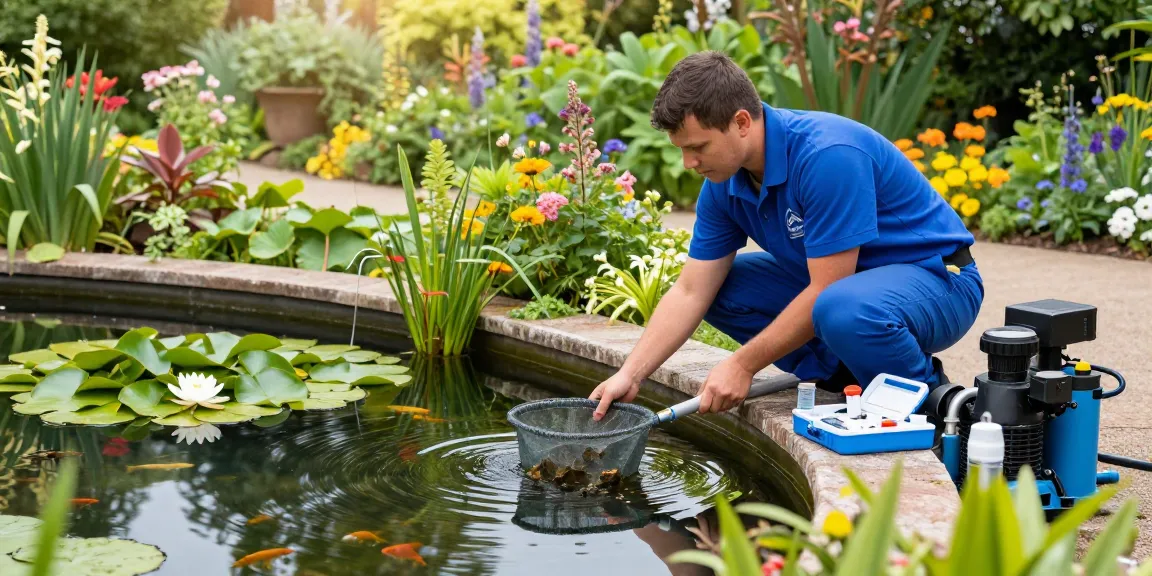
Understanding the Importance of Pond Cleaning
Ponds are not only beautiful additions to any landscape, but they also play a crucial role in local ecosystems. Regular maintenance, particularly pond cleaning, is essential to ensure these water features remain healthy and vibrant. When exploring options, Pond Clean Essex provides comprehensive insights into the best practices for maintaining your pond.
What is Pond Cleaning and Why It Matters?
Pond cleaning involves removing debris, excess algae, and other contaminants from the water body. It matters because it prevents the buildup of harmful substances that can lead to poor water quality and an imbalanced ecosystem. Regular pond cleaning helps keep the aquatic environment healthy for fish and plants, promotes better water circulation, and can significantly enhance the aesthetic appeal of your pond.
Common Pond Cleaning Challenges and Solutions
Pond cleaning can present several challenges, including algae overgrowth, sediment buildup, and maintaining proper pH levels. Algae blooms can be particularly troublesome, leading to oxygen depletion and toxicity issues. To combat these challenges, pond owners should:
- Implement regular cleaning schedules to remove debris before it accumulates.
- Utilize natural biocontrols, like fish that feed on algae.
- Consider installing aerators to improve water circulation and quality.
Environmental Benefits of Clean Ponds
A clean pond contributes positively to its surrounding environment. It supports biodiversity by providing a good habitat for various species and maintains the balance of nutrients in the water. Furthermore, clear water promotes photosynthesis in aquatic plants, which in turn supports the entire food chain. By keeping ponds clean, owners can contribute to local ecological health.
Seasonal Pond Maintenance Essentials
Spring Cleanup: Preparing Your Pond for the Season
As winter fades, spring is the ideal time for a thorough pond cleanup. Begin by removing any debris accumulated during the colder months, such as fallen leaves and twigs. This not only improves the aesthetics but also prevents nutrient overload that can spur algae growth. Spring cleaning is also a great time to assess fish health and begin feeding them as temperatures rise.
Summer Care: Keeping Your Pond Healthy and Algae-Free
During the hot summer months, ponds can quickly become breeding grounds for algae and other unwanted plant life. To maintain a healthy pond, consider these tips:
- Regularly check water levels and replenish with fresh water as needed.
- Monitor water temperature to avoid thermal stratification, which can lead to oxygen depletion.
- Implement shaded areas using aquatic plants to reduce sunlight penetration, thus limiting algae growth.
Autumn Preparation: Essential Steps for Winter Readiness
As autumn approaches, it’s crucial to prepare your pond for the winter months. Start by removing fallen leaves and any dying aquatic plants to prevent decay in the water. It’s also important to lower the water level if necessary and to ensure that any pumps or filters are properly cleaned and prepped for the cold weather to avoid damage.
Tools and Techniques for Effective Pond Cleaning
Must-Have Equipment for Successful Pond Maintenance
Investing in the right tools can make pond cleaning a more efficient task. Essential equipment includes:
- Pond nets for debris removal.
- Submersible pumps for draining water when necessary.
- Algae scrapers and rakes for tackling stubborn growth.
- Water test kits to monitor pH and nutrient levels.
DIY Methods vs. Professional Services: What to Choose?
Deciding between DIY methods and hiring professional services often depends on the size and complexity of your pond. DIY maintenance can be cost-effective and fulfilling for smaller ponds, while larger or more heavily contaminated ponds may benefit from the expertise of professional services. Weigh the pros and cons, considering the time and effort you wish to invest.
Regular Maintenance Routines for Long-Term Health
A consistent maintenance routine is essential for long-term pond health. Establishing a schedule that includes quarterly cleanings, regular testing of water quality, and seasonal adjustments can prevent larger issues down the line. This proactive approach ensures that your pond remains a safe haven for aquatic life.
Signs Your Pond Needs Immediate Attention
Identifying Algae Blooms and Their Impacts
Algae blooms are a common issue in ponds, often characterized by green, murky water or a scum-like layer on the surface. These blooms can deprive fish of oxygen and significantly affect water quality. Immediate action can include increasing aeration and reducing nutrient levels within the pond.
Assessing Water Quality: Key Indicators to Monitor
Monitoring water quality is essential for a healthy pond. Important indicators to keep an eye on include:
- pH levels: Ideally between 6.5 and 8.5
- Dissolved oxygen concentration: Minimum levels should be above 5 mg/L for fish survival.
- Nutrient levels (nitrogen and phosphorus): High concentrations can lead to excessive algae growth.
Common Pests and Problems and Their Solutions
Pests such as mosquitoes and aquatic weeds can also plague ponds. It’s essential to address these issues promptly. Consider introducing predator species that feed on pests, applying suitable herbicides carefully, or utilizing physical barriers to control their populations.
The Future of Pond Care in Essex
Innovative Technologies in Pond Maintenance
As we look toward the future, technology is set to play a significant role in pond maintenance. Innovations such as automated pond monitoring systems, which provide real-time water quality data, are becoming increasingly accessible. Drones for aerial surveys are also being introduced to assess large pond areas quickly and accurately.
Eco-Friendly Practices for Sustainable Pond Keeping
Environmental consciousness is becoming more critical in all aspects of maintenance. Employing eco-friendly practices like using native plants for landscaping, incorporating rain gardens, and minimizing chemical use can significantly enhance the sustainability of pond care. These practices not only protect local ecosystems but also promote biodiversity.
Predictions for Pond Care Trends in 2026 and Beyond
Looking ahead to 2026, we can expect to see a greater emphasis on sustainability and conservation in pond maintenance. Embracing natural solutions, such as bioremediation techniques and partnerships with local wildlife organizations, will become increasingly popular. Education and community engagement will also play vital roles in promoting responsible pond ownership.
What are the benefits of regular pond cleaning?
Regular pond cleaning provides numerous benefits, including improved water quality, better aesthetics, and a healthier habitat for aquatic life. By removing debris and controlling algae growth, you ensure a balanced ecosystem that can thrive.
How often should I clean my pond?
The frequency of pond cleaning largely depends on the pond’s size and environment. Generally, a thorough cleaning should be done at least once a year, with regular maintenance checks every 1-2 months during the growing season.
What are the best tools for pond maintenance?
Some of the best tools for pond maintenance include nets, pumps, algae scrapers, and water testing kits. Having the right tools can greatly enhance the effectiveness and efficiency of your pond cleaning efforts.
How can I prevent algae growth in my pond?
Preventing algae growth can be achieved through several methods: reduce nutrient runoff, increase aeration, and use aquatic plants for shading. Regularly removing organic debris also helps minimize algae proliferation.
Are professional pond cleaning services worth the investment?
Professional pond cleaning services can be a valuable investment, especially for larger or problematic ponds. Their expertise ensures that your pond is maintained to the highest standard, ultimately saving you time and potential future repair costs.


