
Understanding the Importance of Pond Cleaning
Maintaining a healthy pond environment is crucial for the well-being of aquatic life and the aesthetic appeal of your garden. As residents of Essex know, the local climate can impact pond health significantly. Regular pond cleaning is not just a chore; it’s an essential practice for ensuring a balanced ecosystem and promoting biodiversity. When exploring options, Pond Clean Essex provides comprehensive insights into effective pond care services tailored to the unique challenges of the region.
Why Regular Pond Maintenance Matters?
Regular maintenance of your pond brings numerous benefits. First and foremost, it helps in preventing the overgrowth of algae, which can deplete oxygen levels in the water. A clean pond also ensures that fish and other aquatic life thrive by creating a safe environment free from toxins and excess nutrients. Moreover, periodic cleaning aids in maintaining the pond’s aesthetic value, making it a beautiful focal point of your landscape.
Common Challenges in Pond Management
Pond management can present various challenges, including the accumulation of debris, organic matter, and invasive plant species. These factors can lead to water quality issues, unpleasant odors, and a decrease in biodiversity. Additionally, seasonal changes, such as falling leaves in autumn or algae blooms in summer, can further complicate maintenance efforts. By addressing these challenges proactively, pond owners can enjoy a flourishing aquatic habitat.
The Impact of Clean Ponds on Local Ecosystems
Clean ponds are vital for sustaining local wildlife and promoting ecological balance. They provide habitats for various species, including frogs, dragonflies, and beneficial insects. Furthermore, healthy ponds contribute to groundwater recharge and improve air quality. By regularly maintaining your pond, you’re not only enhancing your property but also supporting the broader ecosystem in Essex.
Best Practices for Effective Pond Cleaning in Essex
Step-by-Step Guide to Pond Cleaning
Cleaning a pond can seem daunting, but following a systematic approach can simplify the process:
- Assess the Pond: Begin by evaluating the current condition of your pond, including water clarity, plant growth, and the presence of debris.
- Gather Your Tools: Equip yourself with the necessary tools such as nets, rakes, a pond vacuum, and safety gear.
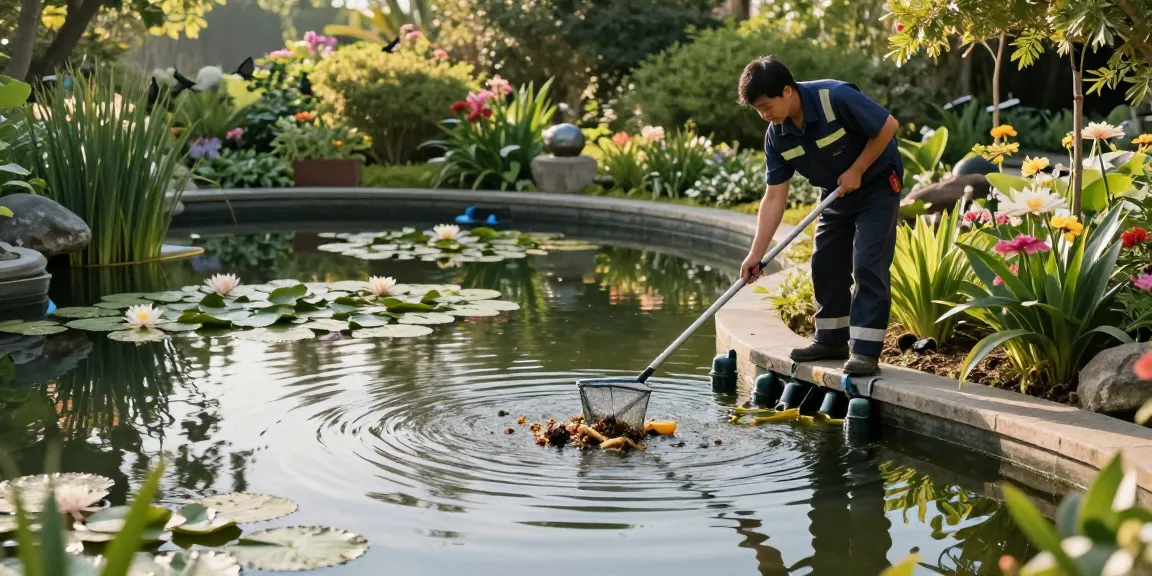
- Remove Debris: Use a net or rake to remove leaves, twigs, and any floating debris from the surface.
- Clean the Bottom: If necessary, use a pond vacuum to remove sludge and sediment that has accumulated at the bottom.
- Inspect and Maintain Equipment: Check your filtration and aeration systems to ensure they are functioning correctly.
- Monitor Water Quality: Test the water to check for pH levels, ammonia, and nitrite concentrations, adjusting as needed.
Essential Tools and Equipment for Pond Care
To effectively clean and maintain your pond, consider investing in the following tools:
- Pond nets for removing debris
- Pond vacuum for cleaning the bottom
- Water test kits for checking chemical levels
- Submersible pumps for draining water if necessary
- Aeration systems to improve oxygen levels
Seasonal Considerations for Pond Maintenance
Understanding the seasonal changes in Essex can help you plan your pond maintenance effectively:
- Spring: This is typically a good time to clean your pond after winter debris accumulation.
- Summer: Regular checks for algae growth and water quality tests are essential during warmer months.
- Autumn: Prepare for leaf fall and potential debris collection; consider netting to minimize leaf entry.
- Winter: Assess ice formations; avoid walking on ice to prevent damaging the pond ecosystem.
Advanced Techniques for Pond Water Quality Improvement
Water Testing and Analysis: What to Look For
Regular water testing is crucial to maintaining optimal conditions for aquatic life. Key parameters to monitor include:
- pH levels: Ideally between 6.5 and 8.5
- Ammonia levels: Should be less than 0.5 ppm
- Nitrite and nitrate levels: Must be kept within safe ranges to avoid toxicity
By regularly analyzing these factors, you can take corrective actions to ensure a balanced pond environment.
Using Natural Solutions for Algae Control
Natural solutions, such as beneficial bacteria and aeration, can effectively control algae growth without the need for harsh chemicals. These methods promote a healthy balance in the pond and support the growth of aquatic plants that compete with algae for nutrients. Additionally, adding plants such as water lilies and lotuses can help shade the water, further inhibiting algal growth.
Effective Filtration and Aeration Methods
Adequate filtration and aeration are crucial for maintaining crystal-clear water. Consider implementing the following methods:
- Biofiltration: Utilize a biological filter that encourages beneficial bacteria to thrive, breaking down harmful substances.
- Mechanical filtration: Install a filter that removes debris and particles from the water.
- Aeration Techniques: Use aerators or fountains to increase oxygen levels, which benefits fish and aids in reducing algae growth.
Eco-Friendly Approaches to Pond Cleaning
Minimizing Chemical Use in Pond Maintenance
Adopting a chemical-free approach can protect aquatic life and the surrounding environment. Focus on mechanical and biological methods of pond management which are safer and more sustainable. Using alternative cleaning methods, such as beneficial bacteria or natural enzymes, can also provide effective results while reducing potential hazards.
Benefits of Beneficial Bacteria in Pond Management
Beneficial bacteria play a vital role in maintaining water quality and clarity. They break down organic matter and reduce harmful toxins, improving overall pond health. Incorporating these bacteria into your maintenance routine can help maintain a balanced ecosystem, making your pond a thriving habitat for wildlife.
Creating a Balanced Ecosystem for Wildlife
An effective pond cleaning strategy should focus on fostering a balanced ecosystem. This can include:
- Planting a variety of native aquatic plants that provide habitat and food for wildlife
- Creating shallow areas that encourage breeding and shelter for fish and amphibians
- Implementing measures to reduce runoff and prevent pollutants from entering the pond
The Future of Pond Care in 2026 and Beyond
Emerging Trends in Pond Maintenance Technologies
As we move towards 2026, advancements in pond care technologies are shaping the future of maintenance practices. Innovations such as automated monitoring systems for water quality and AI-driven tools for predictive maintenance are becoming more accessible. These technologies can help pond owners manage their ecosystems more efficiently, responding to changes in real-time.
Influence of Climate Change on Pond Ecosystems
Climate change poses numerous challenges for pond ecosystems, including altered rainfall patterns and rising temperatures. These changes can lead to increased evaporation and altered aquatic habitats. Pond owners must stay informed about these trends and adapt their management practices to ensure the sustainability of their ponds.
Community Involvement in Local Pond Conservation
Community engagement is crucial for the conservation of local ponds. By participating in local clean-up events and educational workshops, residents can learn more about maintaining healthy ecosystems. Collaboration with local conservation groups can also foster a sense of community ownership, encouraging responsible pond management practices among neighbors.
What are the benefits of regular pond cleaning?
Regular pond cleaning promotes a healthier aquatic environment, improves water quality, and enhances the visual appeal of your garden. It also helps prevent common issues like algae blooms and poor oxygen levels, ensuring the well-being of your fish and plants.
How can I maintain clear water in my pond?
To maintain clear water in your pond, implement an effective filtration system, conduct regular water quality tests, and encourage the growth of beneficial aquatic plants. Limiting nutrient runoff and debris accumulation will also help keep the water pristine.
What equipment do I need for effective pond cleaning?
Essential equipment includes pond nets, vacuums, filtration systems, and water test kits. Having the right tools will streamline the cleaning process and enhance overall pond management.
Are there eco-friendly methods for pond maintenance?
Yes, eco-friendly methods such as using beneficial bacteria, natural filtration systems, and minimizing chemical use contribute to healthier pond ecosystems. These approaches utilize nature’s own processes to maintain water quality and promote biodiversity.
What should I know about seasonal pond care?
Seasonal care involves understanding the specific needs of your pond throughout the year. Spring cleaning, summer checks for algae, autumn leaf management, and winter ice assessments are all crucial for maintaining a healthy pond.


