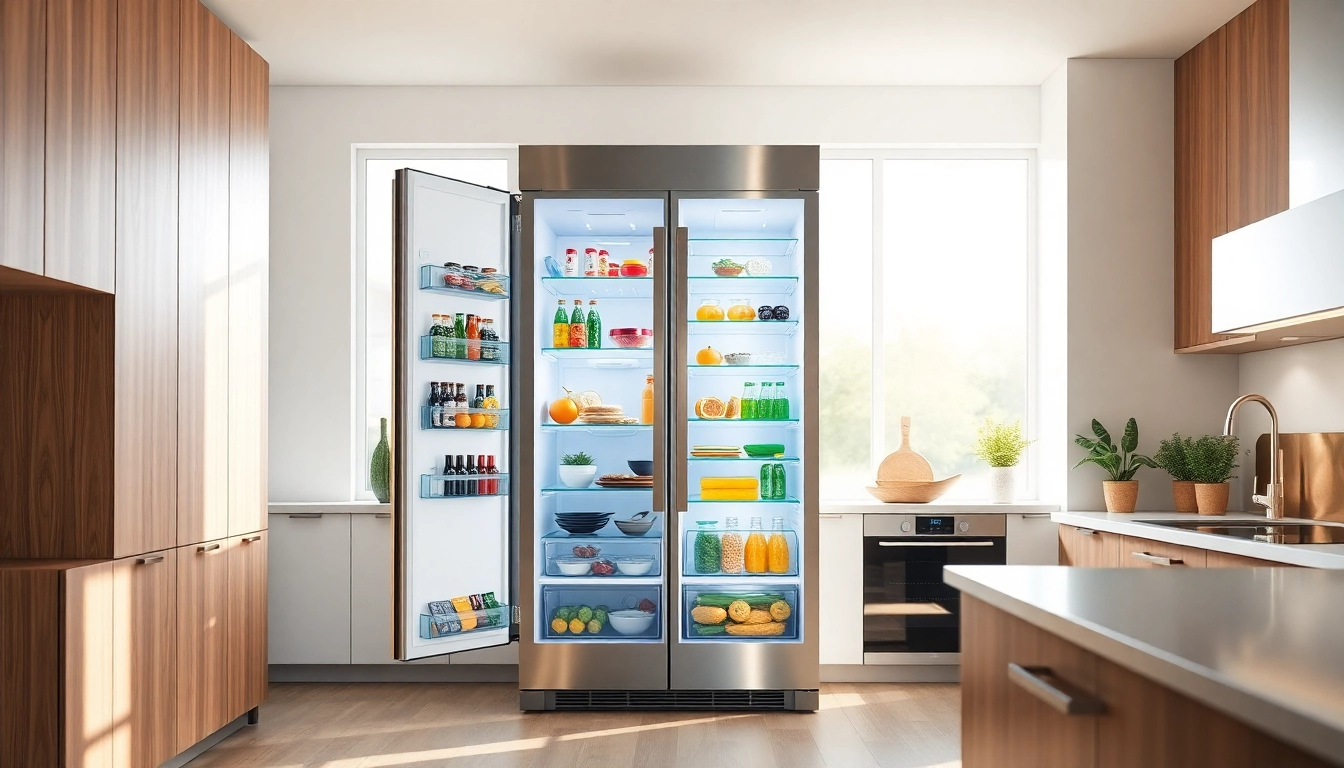
Understanding the Basics of Refrigerator Types
Choosing the right appliance for your kitchen can be a daunting task, especially when it comes to selecting a refrigerator. Understanding the different types available is essential. Here, we break down the primary types of refrigerators, highlighting their unique features and benefits to help you make the best choice for your home.
1. Top-Freezer Refrigerators
Top-freezer refrigerators are perhaps the most traditional style and have remained popular for decades. In this design, the refrigerator section is positioned above the freezer section, creating a classic setup. They typically offer a convenient height, as users can easily access their frequently used items without bending down.
Pros: These refrigerators usually have a straightforward design, making them more affordable than other types. They also generally offer more freezer space compared to the refrigerator compartment.
Cons: The main drawback is the inconvenience of bending down to access fridge items, and the layout may not work well for taller users.
2. Bottom-Freezer Refrigerators
Bottom-freezer refrigerators, as the name suggests, place the freezer at the bottom, allowing users to access fresh foods at eye level. This ergonomic design is increasingly favored as it aligns with how we typically use these appliances.
Pros: The accessibility of fresh food is a major advantage, as daily items are at hand without squatting. These models often provide better organization options within the fridge section.
Cons: They may have a smaller freezer than top-freezer models, limiting the amount of frozen food storage.
3. French Door Refrigerators
French door refrigerators combine style and functionality, featuring two side-by-side doors for the fridge section and a separate bottom drawer for freezing. This design is a trendy option for modern kitchens.
Pros: The spacious interior allows for easy organization, and wide shelves can accommodate large items. They often come with features like water dispensers and advanced temperature controls.
Cons: They are generally more expensive than other types and may require more kitchen space to accommodate their size.
Factors to Consider When Buying a Refrigerator
Picking the right refrigerator involves several factors that greatly impact functionality and how well the unit meets your needs. Below are important elements to consider before making a purchase.
1. Size and Capacity Requirements
The first step in selecting a refrigerator is determining the space available in your kitchen. Measure your designated area to ensure a perfect fit. Consider the refrigerator's capacity in cubic feet, geared towards your household size. A larger family may require a model with more capacity to store groceries and leftovers comfortably.
2. Energy Efficiency Ratings
Energy efficiency is vital when choosing a refrigerator. Look for models with the Energy Star label, which indicates that the appliance meets strict energy efficiency guidelines. Not only do efficient models save money on electricity bills, but they also reduce environmental impact.
Research the estimated energy usage to gauge the potential long-term savings and sustainability benefits.
3. Storage and Organization Features
Examine the layout and features within the refrigerator. Adjustable shelves, door bins, and dedicated compartments for fruits and vegetables can enhance organization and accessibility. Pay attention to additional features such as humidity control for certain sections and the availability of slide-out drawers for easier access.
Popular Features in Modern Refrigerators
Modern refrigerators are packed with technology designed to enhance the user experience. Below are some sought-after features found in contemporary models.
1. Smart Technology Integration
With the rise of smart home technology, wiele refrigerators now feature Wi-Fi connectivity. This allows users to control settings remotely, receive alerts about temperature changes, and even access shopping lists or recipes through built-in screens or companion apps. Smart fridges can also issue reminders for expiring items, reducing food waste.
2. Adjustable Shelves and Drawers
Customizability in storage options helps maximize space based on individual needs. Many modern refrigerators allow users to adjust the height of shelves or to reconfigure drawers to accommodate larger items or specialized food storage requirements, making organization easier and more effective.
3. Water and Ice Dispensers
Integrated water and ice dispensers continue to be a highly desired feature in refrigerators. They provide convenient access to chilled water and ice without opening the door, helping maintain internal temperatures. Some models even offer options for crushed ice or sparkling water.
Maintaining Your Refrigerator for Longevity
To ensure your refrigerator operates at peak efficiency and has a long lifespan, regular maintenance is crucial. Below are effective practices to keep your appliance in top condition.
1. Regular Cleaning Tips
Keep the interior of your refrigerator clean by wiping spills immediately and removing expired items regularly. Clean the coils on the back or underneath the appliance every six months to maintain cooling efficiency. A vacuum or brush works best for this task.
2. Troubleshooting Common Issues
If your refrigerator experiences any issues, such as inconsistent temperatures or excess noise, consult the user manual for troubleshooting steps. Common problems such as blocked vents or malfunctioning thermostats can often be resolved by following the manufacturer's guidelines.
3. Energy-Saving Practices
To save energy, ensure the refrigerator door seals are tight and avoid keeping the door open for extended periods. Maintain the ideal temperature settings (between 35°F to 38°F) for efficient operation. Additionally, consider placing the refrigerator away from heat sources such as ovens and sunlight.
FAQs About Refrigerators
1. What is the difference between a fridge and refrigerator?
A fridge is more compact for basic cooling, while a refrigerator typically offers more extensive storage with features like freezers and temperature controls.
2. How much does a refrigerator cost?
Prices vary by type: Bottom freezer ($750-$4,000), Side-by-side ($1,000-$10,000), French door ($1,200-$11,000). Consider features and efficiency for your budget.
3. How can I save energy with my refrigerator?
Keep coils clean, set the right temperature, maintain door seals, and avoid overloading to improve energy efficiency and save on bills.
4. What temperature should my refrigerator be?
The ideal temperature is between 35°F to 38°F to maintain food freshness without freezing items, ensuring optimal performance.
5. When should I replace my refrigerator?
Consider replacement if your fridge exceeds 10 years, requires frequent repairs, or if your energy costs rise significantly, indicating inefficiency.