
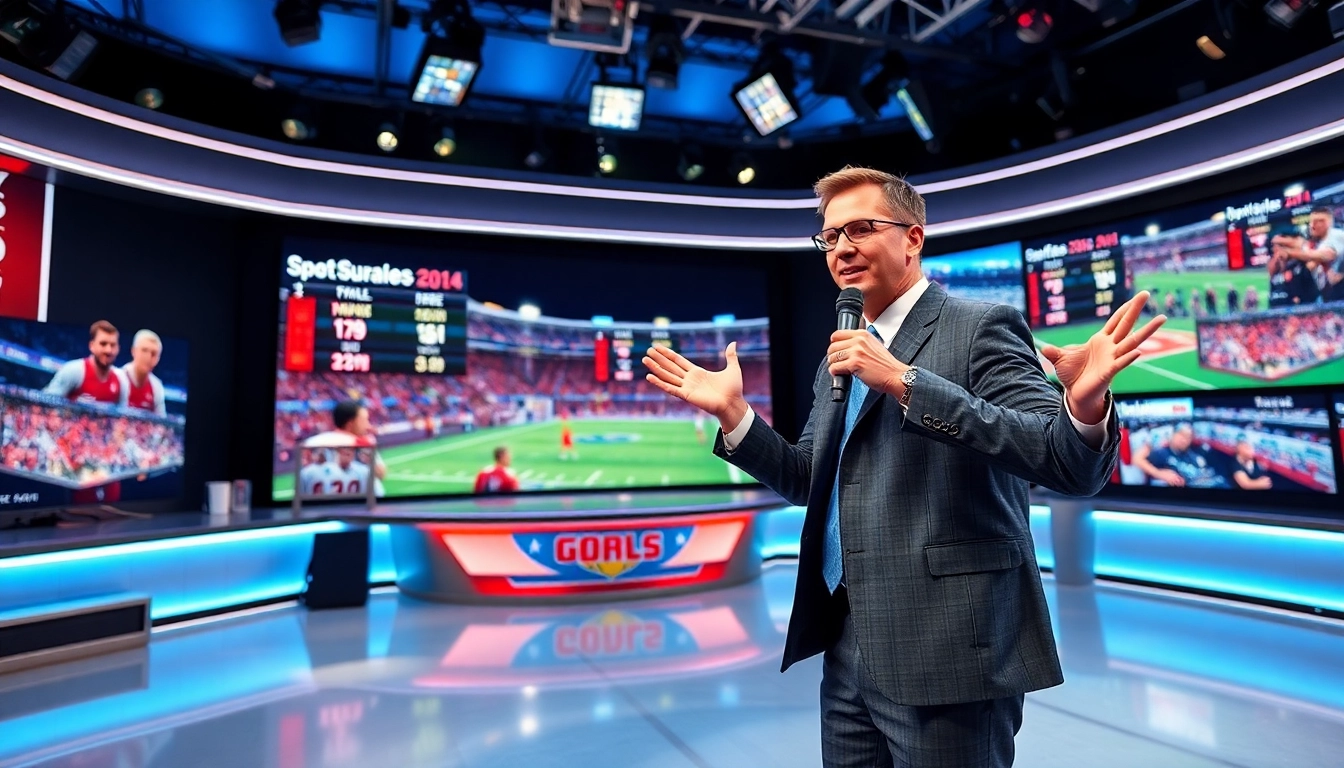
Understanding the Fundamentals of Sports Broadcasting
What is Sports Broadcasting?
Sports broadcasting is the medium through which sporting events are conveyed to a wide audience via television, radio, or online platforms. It involves the commentary and presentation of various sports events, providing viewers with the latest updates, analysis, and entertainment. Efficient sports broadcasting serves not just to relay information but enhances the viewing experience by integrating storytelling, expert analysis, and engaging visuals. The aim is to inform, entertain, and encourage fan engagement, making Sports Broadcasting a powerful tool in the sports industry.
The Evolution of Sports Broadcasting
Sports broadcasting has undergone remarkable transformations since the first radio broadcasts of sporting events in the early 20th century. The introduction of television in the 1950s revolutionized how sports were consumed, offering rich visual context that radio could not provide. Major sports leagues began to develop broadcasting strategies that maximized viewer reach and advertising revenue, while cable TV networks emerged as new platforms for airing sporting events.
The arrival of the internet and digital streaming has further accelerated this transformation. Today, fans can access live games through various streaming services, watch highlights on social media, and engage with interactive content. The flexibility offered by online platforms allows broadcasters to adapt to the preferences of a modern audience, making sports broadcasting more dynamic than ever.
Key Roles in Sports Broadcasting
To create compelling sports broadcasts, several key roles come into play, each contributing a unique skill set. Here are the main roles:
- Play-by-Play Announcer: Provides the narrative of the game, describing actions as they occur.
- Color Commentator: Offers analysis and insights, often providing context that enhances the audience’s understanding.
- Producers: Oversee the overall production, managing schedules, video feeds, and content flow.
- Technical Team: Responsible for ensuring the quality of the broadcast through sound, video, and digital elements.
These roles must collaborate effectively to deliver high-quality content that resonates with audiences.
Essential Techniques for Effective Sports Broadcasting
Crafting Compelling Narratives
Creating a narrative during a broadcast can significantly engage viewers. Narratives should include context about teams, players, and rivalries, making the event relatable. Broadcasters can leverage storytelling techniques such as emotional arcs, character development, and plot twists to keep the audience invested. Highlighting significant accomplishments and building suspense adds layers to the viewers’ experience.
For instance, celebrating a player’s comeback from injury or capturing the tension of a tightly contested match enhances engagement by portraying the human side of sports. Effective narratives can create memorable moments that resonate long after the game is over.
Mastering On-Air Presentation Skills
Strong on-air presentation skills are vital for successful sports broadcasters. Skills like clear articulation, a confident presence, and the ability to improvise can make a significant difference in how the content is received. Trainers often recommend practice scripts and audience interaction techniques to help broadcasters develop these skills.
Moreover, understanding how to manage on-air chemistry with co-hosts and adapting to live conditions can elevate a broadcast beyond mere reporting. Engaging with the audience is essential; maintain eye contact with the camera, use appropriate body language, and encourage viewer participation through social media.
Leveraging Technology for Enhanced Coverage
Advancements in technology have vastly improved the quality and depth of sports broadcasting. High-definition broadcasts, multiple camera angles, and instant replays allow audiences to experience every moment in great detail. Additionally, technologies such as drones provide aerial shots that enhance the viewing experience.
Furthermore, software systems that analyze player performance in real-time offer insights that enrich commentary. Leveraging augmented reality can also provide context to complex plays, making visualization easier for viewers. Embracing these technologies can transform a standard broadcast into an immersive experience.
Engaging Audiences through Interactive Content
Utilizing Social Media for Real-Time Engagement
Social media platforms are now vital avenues for sports broadcasters. They provide opportunities for real-time engagement, allowing broadcasters to interact with fans during games. Engaging content such as polls, live Q&As, and behind-the-scenes footage can greatly enhance viewer loyalty.
Strategically using hashtags to facilitate discussions improves visibility, while user-generated content can add authenticity to broadcasts. By responding to viewer comments and integrating fan thoughts into broadcasts, broadcasters can foster a sense of community that compels audiences to tune in repeatedly.
Creating Viewer-Centric Programming
Ensuring that content is viewer-centric is essential for broadcasters looking to maximize engagement. Tailoring programming formats to meet audience preferences—such as shortening broadcasts during low interest or offering niche sports coverage—can yield better viewer retention.
Additionally, integrating fantasy sports analyses or dedicated segments for fan engagement can captivate niche audiences. Surveys and audience feedback should guide content decisions, ensuring broadcasters address the needs and desires of their demographics.
Using Analytics to Understand Audience Preferences
Analytics play a crucial role in modern sports broadcasting. By tracking viewer data, broadcasters can identify trends, such as the most-watched segments or peak viewing times. This information not only aids in program planning but also informs marketing strategies, making them data-driven and more effective.
Furthermore, analyzing viewer demographics helps broadcasters tailor content and advertisements, ensuring that messages resonate with the right audience. The adoption of data analytics tools can also measure social media engagement, helping refine strategies continuously.
Trends Shaping the Future of Sports Broadcasting
Impact of Streaming Services on Traditional Broadcasting
The emergence of streaming services has profoundly affected traditional sports broadcasting. Platforms like Amazon Prime and ESPN+ offer viewers the flexibility to watch games on-demand, challenging conventional networks to adapt quickly. This shift has led to increased competition, with networks exploring alternative distribution models and partnerships to remain relevant.
As streaming services target niche markets and deliver content tailored for specific audiences, traditional broadcasters must innovate their offerings, ensuring they provide value through additional insights, enhanced experiences, and unique programming.
Virtual Reality and Augmented Reality in Sports
Virtual reality (VR) and augmented reality (AR) represent groundbreaking developments in sports broadcasting, offering immersive experiences that bring fans closer to the action. VR allows fans to feel as if they are part of the game, whereas AR can enhance the viewing experience with real-time stats overlaying live footage.
As this technology evolves, broadcasters will need to consider where these trends can fit into their content strategies. Although still in a nascent stage, the integration of VR and AR will likely lead to entirely new formats that reshape how audiences experience sports.
The Rise of Esports Broadcasting
Esports broadcasting is rapidly gaining traction, appealing to younger audiences who increasingly favor competitive gaming over traditional sports viewing. The growth of platforms like Twitch has demonstrated the demand for live, interactive streaming of gaming events, enabling fans to engage directly with commentators and players.
This trend indicates that sports broadcasters will need to explore esports as a viable broadcasting option. Bridging the gap between traditional sports and esports while catering to both audiences could lead to innovative programming that attracts a broader viewership.
Measuring Success in Sports Broadcasting
Key Performance Indicators for Broadcasters
To effectively measure success, sports broadcasters must utilize key performance indicators (KPIs). Common KPIs include viewer ratings, audience share, and engagement metrics like social media interactions. These indicators provide valuable insights that can help steer programming decisions and marketing efforts.
Furthermore, measuring return on investment (ROI) on sponsorships and advertisements can demonstrate the financial viability of broadcasting strategies, guiding future investments into quality content and production technologies.
Analyzing Viewer Demographics
Understanding audience demographics is fundamental in shaping programming and marketing strategies. By segmenting audiences based on factors like age, gender, income, and viewing preferences, broadcasters can tailor content more effectively.
Employing tools such as analytics dashboards helps identify which segments engage with specific networks or programming types. Audience insights can also help in developing targeted advertising that appeals directly to the viewers’ preferences.
Adapting to Industry Changes for Continued Growth
The sports broadcasting industry is in constant flux, influenced by technological advances and changing consumer behaviors. To ensure continued growth, broadcasters must remain adaptable. Engaging with emerging technologies, monitoring industry trends, and experimenting with new content formats can help maintain relevance in a competitive landscape.
By fostering a culture of innovation and responsiveness, broadcasters can create agile organizations that effectively navigate industry changes while remaining closely attuned to audience needs and expectations.
Frequently Asked Questions
What is sports broadcasting?
Sports broadcasting is the process of transmitting sports events to audiences via television, radio, or online platforms, providing commentary and analysis to enhance the viewing experience.
How has technology impacted sports broadcasting?
Technology has enhanced sports broadcasting by introducing high-definition visuals, multiple camera angles, instant replays, and data analytics, creating a richer viewer experience.
What roles are involved in sports broadcasting?
Key roles include play-by-play announcers, color commentators, producers, and technical teams, all collaborating to deliver high-quality sports content.
How can social media improve sports broadcasting?
Social media allows for real-time engagement with viewers, enabling broadcasters to create interactive content that enhances fan loyalty and participation.
What are the future trends in sports broadcasting?
Future trends include the rise of streaming services, virtual reality experiences, augmented reality overlays, and an increasing focus on esports broadcasting.