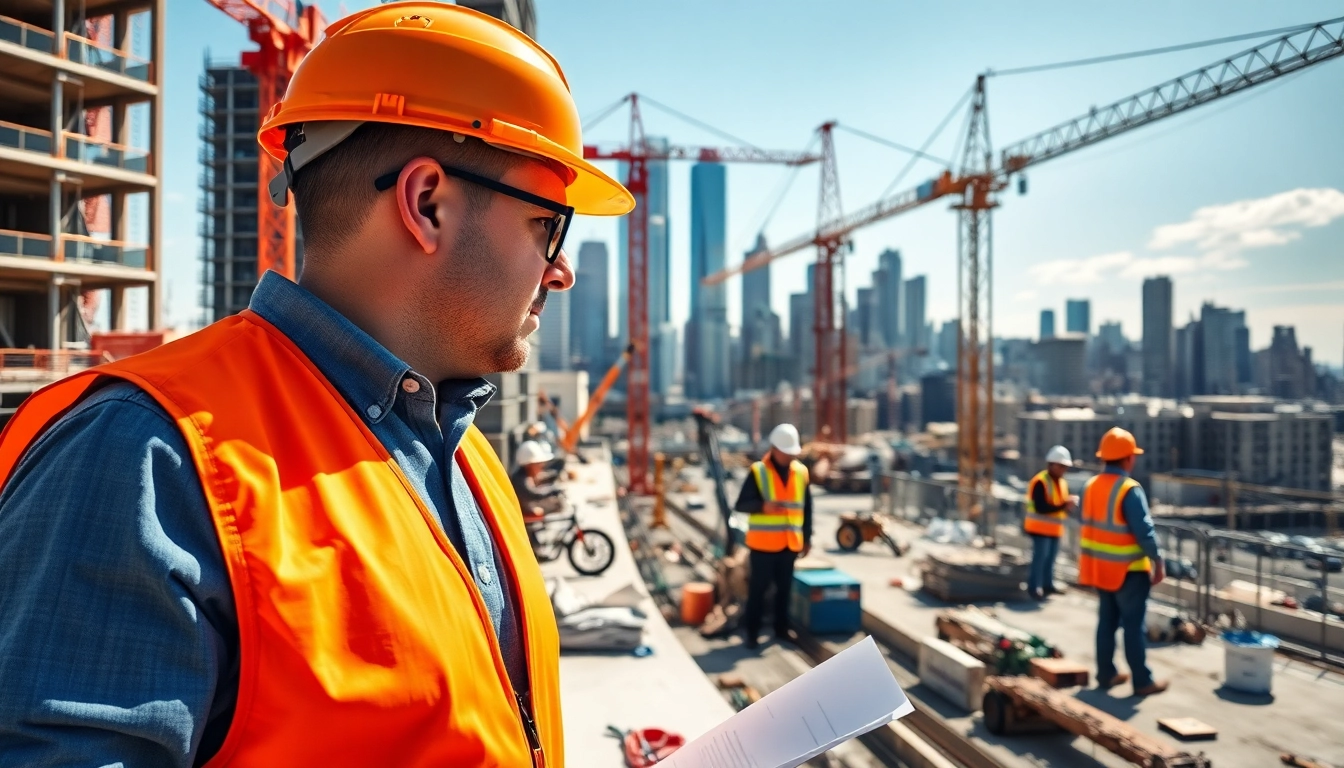
What is Real Estate Development?
Defining Real Estate Development
Real Estate Development is a multifaceted process that involves the acquisition of land or existing properties, followed by improvement through planning, construction, and finally selling or leasing those properties for profit. This process encompasses a variety of interconnected activities such as market research, finance, project design, construction management, and marketing. Each project is unique, shaped by different market demands, local regulations, and specific financial contexts.
Key Participants in Real Estate Development
The landscape of real estate development is shaped by numerous key participants, each playing a vital role in the entire process. These include:
- Developers: They initiate development projects and oversee the entire process.
- Investors: Individuals or entities that provide capital and expect returns.
- Architects: They design the layout and aesthetic appeal of a development.
- Contractors: Responsible for the physical construction work.
- City Planners: They ensure that developments adhere to local zoning laws and land use policies.
- Real Estate Agents: They help sell or lease the finished properties to end users.
Importance of Location in Real Estate Development
Location is paramount in the realm of real estate development. A well-chosen location can significantly enhance property values, drive demand, and yield higher returns. Factors contributing to a location’s desirability include proximity to transportation, schools, healthcare facilities, and employment centers. Developers often conduct extensive market research and feasibility studies to assess various neighborhoods before committing to a project.
The Real Estate Development Process
Stages of Real Estate Development
The real estate development process can be broken down into several critical stages:
- Conceptualization: Identifying an opportunity and assessing its feasibility.
- Land Acquisition: Purchasing the land or property needed for development.
- Planning: Developing a detailed plan including design, financial projections, and obtaining necessary permits.
- Financing: Securing financing through various sources, such as banks or private investors.
- Construction: Overseeing the physical construction of the project.
- Marketing: Once complete, effectively marketing the property for sale or lease.
- Management: Ongoing management of the property post-development.
Planning and Designing Your Project
Comprehensive planning and design are crucial for the success of any development project. It involves collaborating with architects, urban planners, and consultants to create designs that not only meet aesthetic criteria but also function efficiently. Zoning regulations and environmental assessments must also be considered to ensure compliance. Engaging stakeholders early in the design process can help identify potential challenges and enhance project viability.
Financing Options for Real Estate Development
Financing is a pivotal aspect of real estate development. Developers can leverage a variety of funding sources to finance their projects:
- Traditional Bank Loans: Commonly used but may require substantial collateral.
- Private Investors: Individuals or syndicates willing to fund projects in exchange for equity.
- Real Estate Investment Trusts (REITs): Companies that own, operate, or finance income-generating real estate across a range of property sectors.
- Government Grants and Loans: Available for projects that serve community needs or promote affordable housing.
Types of Real Estate Development
Residential Real Estate Development
Residential real estate development involves creating housing units, ranging from single-family homes to large apartment complexes. Developers must consider local population growth, housing demand, and market trends to pinpoint the ideal type of residential property. Effective marketing strategies are essential to attract potential homebuyers and renters in a competitive market.
Commercial Real Estate Development
Commercial real estate development caters to business needs, encompassing office buildings, retail spaces, and industrial properties. This sector relies heavily on market research to understand business trends and consumer behavior. Commercial developers often target strategic locations that ensure high visibility and accessibility. Long-term leases and strong tenant relationships play a significant role in maximizing profitability.
Mixed-Use Real Estate Development
Mixed-use developments combine residential, commercial, and sometimes industrial spaces within a single project. This type of development aims to create a vibrant community atmosphere by integrating living, working, and recreational spaces. Effectively managing the needs and expectations of various stakeholders is essential to fostering an environment conducive to diverse activities and enhancing property value.
Challenges in Real Estate Development
Regulatory and Legal Challenges
Navigating the regulatory landscape poses challenges for real estate developers. Zoning laws, building codes, and compliance requirements can impact project timelines and costs. It’s crucial for developers to engage with local authorities and legal advisors early in the process to mitigate risks and address concerns that could delay approval or impact project feasibility.
Market Fluctuations and Economic Risks
The real estate market is susceptible to economic shifts, which can affect property values and demand. Developers must be adaptive and ready to pivot their strategies in response to changing market conditions. Conducting thorough market analysis and maintaining flexible business models can help mitigate these risks and capitalize on emerging opportunities.
Environmental and Sustainability Considerations
Environmental sustainability has become a focal point in real estate development. Developers are increasingly required to ensure that their projects adhere to eco-friendly practices and minimize environmental impact. This includes considering energy efficiency, waste management, and resource conservation during both the planning and construction stages. Green certifications can enhance a property’s appeal and marketability.
Future Trends in Real Estate Development
Impact of Technology on Real Estate Development
Technology is transforming the real estate development landscape by streamlining processes, enhancing project management, and promoting transparency. Advances in building information modeling (BIM), augmented reality, and project automation are improving efficiency and accuracy in the development lifecycle. Embracing these technologies can lead to cost savings and better project outcomes.
Sustainability and Green Building Practices
As environmental consciousness grows, the demand for sustainable building practices is rising. Many developers are adopting green building technologies to reduce their projects’ carbon footprints. Implementing sustainability features can lead to lower operating costs and increased property value, ultimately attracting socially responsible investors and tenants.
The Rise of Urban Development Projects
Urban development is experiencing a renaissance as cities seek to revitalize underutilized areas. Developers are focusing on creating vibrant communities that combine living, working, and recreational spaces. Such projects aim to address urban congestion while promoting sustainable growth and enhancing the quality of life for residents.
FAQs about Real Estate Development
What are the main stages of real estate development?
The main stages include conceptualization, land acquisition, planning, financing, construction, marketing, and management.
What type of financing is best for real estate development?
There isn’t a one-size-fits-all; options include traditional bank loans, private investors, partnerships, and government grants, depending on the project scope.
What regulatory challenges do developers face?
Developers often grapple with zoning laws, building codes, and environmental regulations that can alter project timelines and costs.
How can technology improve real estate development?
Technology streamlines processes, improves project management, and enhances accuracy through tools like building information modeling (BIM) and automation.
Why is location crucial for real estate development?
A strategic location significantly impacts property values and marketability, making it vital for successful development.
Contact Information
Call Us: +1 800-896-5502
Address: 2670 Union Ave, Memphis, TN 38112, United States, Memphis, TN, United States, 38112